

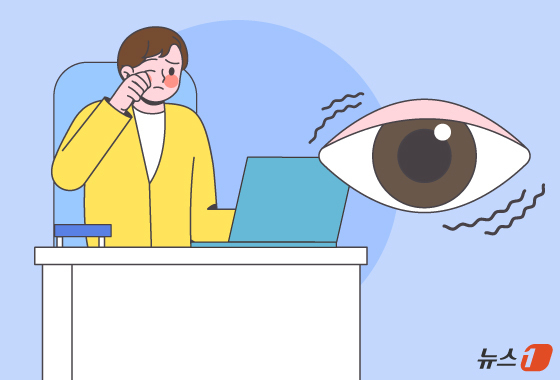
When you experience symptoms of a trembling face, particularly around the eyes or lips, it is easy to dismiss them as a lack of magnesium or fatigue. However, if the symptoms persist and spread to other parts of your face despite taking magnesium supplements and getting enough rest, you might need to consider the possibility of facial spasms caused by neurological problems.
According to medical experts, facial spasms are characterized by involuntary, repetitive muscle contractions in the face. They typically affect one side of the face, known as hemifacial spasm, and can involve the area around the eyes, mouth, and neck. Some patients may experience secondary spasms following blepharitis or facial paralysis.
Recent trends show increased facial spasms among young adults in their 20s to 40s, likely due to daily stress. Historically, this condition was more commonly associated with older patients. Data from the Health Insurance Review and Assessment Service of South Korea for 2019 to 2023 reveals that patients aged 20 to 40 now account for an average of 48% of all cases annually.
Dr. Kang Jun Yoon, a neurosurgeon of Gangnam St. Peter’s General Hospital, explains that facial spasms in younger individuals are often triggered by stress-induced irritation of brain nerves and blood vessels. He emphasizes the importance of prompt and accurate diagnosis and treatment, as symptoms can worsen if left unchecked.
The brain contains 12 major nerves, each with specific functions. Facial spasms are related to the seventh nerve, known as the facial nerve, which controls facial muscles. Irritation at the point where this nerve exits the brain stem is a common cause of facial spasms.
While pinpointing the exact cause can be challenging, chronic stress and tension are widely recognized as major contributing factors. This is particularly relevant for young professionals facing workplace and social pressures.
The real danger lies in dismissing these symptoms as trivial. Facial spasms can significantly impact quality of life. If left untreated, they may lead to facial asymmetry, paralysis, and even loss of taste and hearing, potentially resulting in a lengthy recovery process.
Symptoms On Both Sides of Your Face May Indicate Facial Spasm. The Success Rate of Surgery is High
One way to distinguish it from common eye twitches is to observe whether the symptoms affect both sides of the face. If the symptoms are concentrated on one side of the face, worsen with stress or tension, and continue during sleep, it’s more likely to be facial spasm.
Symptoms of facial spasm typically resolve when pressure on the facial nerve is alleviated. In early stages, medication alone may provide relief. However, if long-term medication use leads to tolerance, injection therapy or surgery may be considered for a permanent solution.
The most common surgical procedure is microvascular decompression, which physically separates blood vessels from the affected nerve to eliminate the root cause of the spasms. Most patients experience immediate relief post-surgery, and success rates have been reported to exceed 95%.
Accurate diagnosis requires a combination of MRI (magnetic resonance imaging) and electromyography to assess the facial nerve’s condition and develop an appropriate treatment plan. If eye twitching persists even after rest, it’s advisable to consult a neurosurgeon for a thorough evaluation.
Dr. Jin Woo Jang, professor of Neurosurgery at Korea University Anam Hospital, stresses that the’ causes and effective treatments of facial spasms vary from patient to patient. He emphasizes the importance of making informed decisions based on a neurosurgeon’s advice.