

RGN-259 Phase 3 Trial Results Expected in June—Company Expresses Strong Confidence
“New Drug Poised to Overtake ‘Oxervate’ Within Three Years If Approved”

“RGN-259 could be a game-changer in the treatment of neurotrophic keratitis (NK). We’ll have a clearer picture once the June trial results are released.”
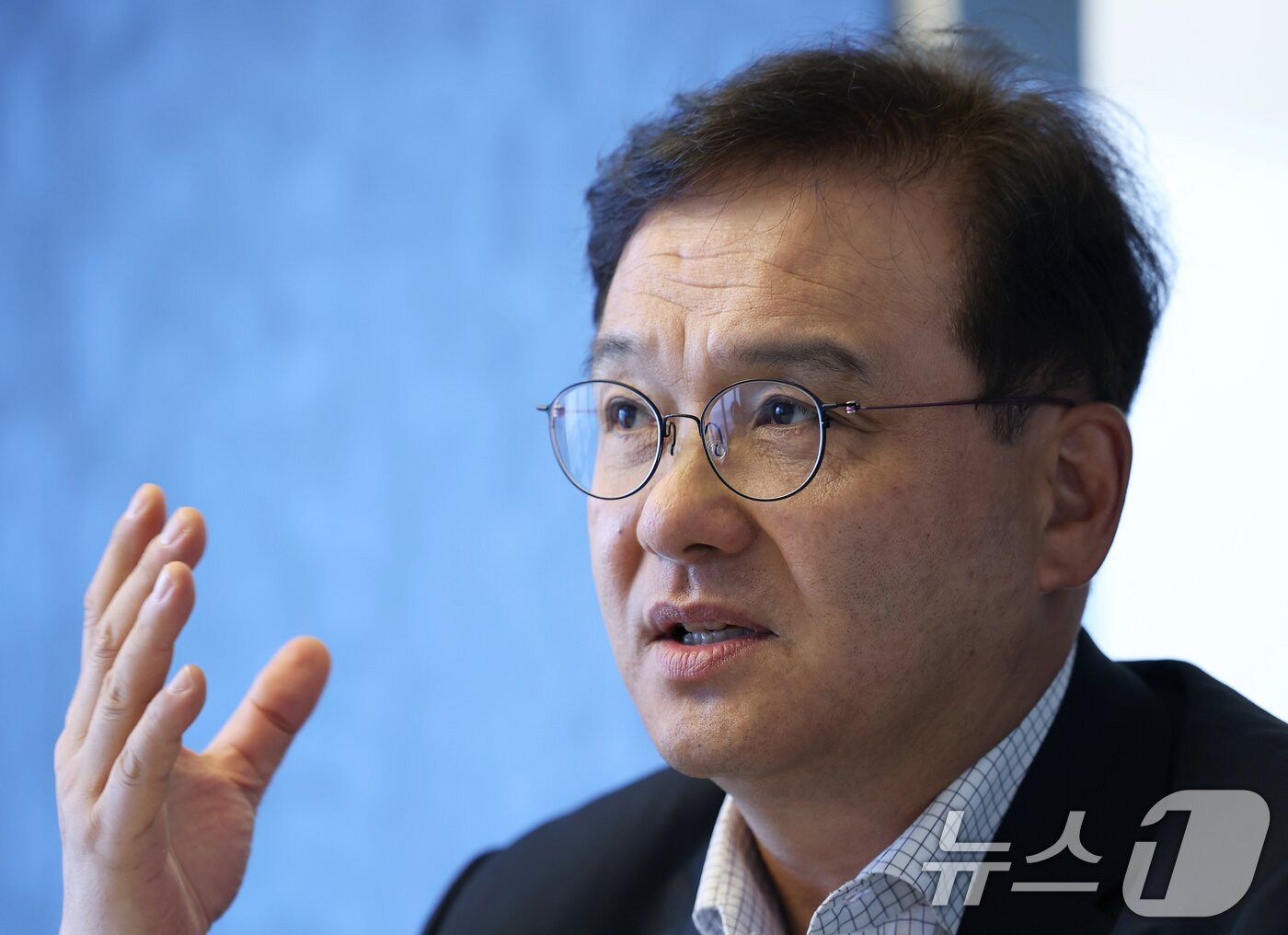
Ki Hong Ahn, CEO of HLB Therapeutics, recalled feeling that all the hard work had finally paid off when a senior executive from a global pharmaceutical company told him, “RGN-259 could be a game-changer for neurotrophic keratitis,” during the ARVO (Association for Research in Vision and Ophthalmology) conference.
Ahn noted that another major pharmaceutical company had reached out unprompted, asking to be first in line when the top-line results are announced. Even Dompé—a once-dismissive competitor—has changed its tune, recently requesting a meeting. These signs indicate growing industry interest in Ahn and reinforce his confidence before the much-anticipated data release.
RGN-259, based on thymosin beta-4, is designed to treat neurotrophic keratitis. As a naturally occurring substance in the human body, it poses minimal risk of immune reaction and does not accumulate even with prolonged use. The Phase 3 trial in Europe has completed data collection and entered the data freeze stage for analysis. Top-line results are expected to be announced in June.
RGN-259 Expected to Surpass Oxervate Within Three Years
Neurotrophic keratitis is a condition caused by damage to the nerves that control the cornea, leaving the eye unable to protect or heal itself. In severe cases, it can lead to corneal ulcers or even perforation. There are more than 60,000 patients in the U.S. alone, and we expect the market to grow to around 2 billion USD by 2032.
The only FDA-approved treatment for NK is Oxervate, developed by the Italian pharmaceutical company Dompé. However, the drug comes with significant limitations. It must be stored frozen and administered six or more times daily using single-use sterile droppers. Its annual cost per patient is approximately 110,000 USD.
Ahn pointed out that Oxervate is currently used by only around 8,000 patients in the U.S., primarily because of its high cost and cumbersome usage. He explained that RGN-259 offers greater convenience, requiring just five daily applications over a four-week treatment period. It can also be stored in a standard refrigerator like artificial tears.
Ahn emphasized that since the majority of neurotrophic keratitis patients are over 50, ease of use is a crucial consideration. He noted that if approved, RGN-259 has the potential to surpass Oxervate in market adoption within three years.
Expanding the pipeline to include LSCD and macular degeneration
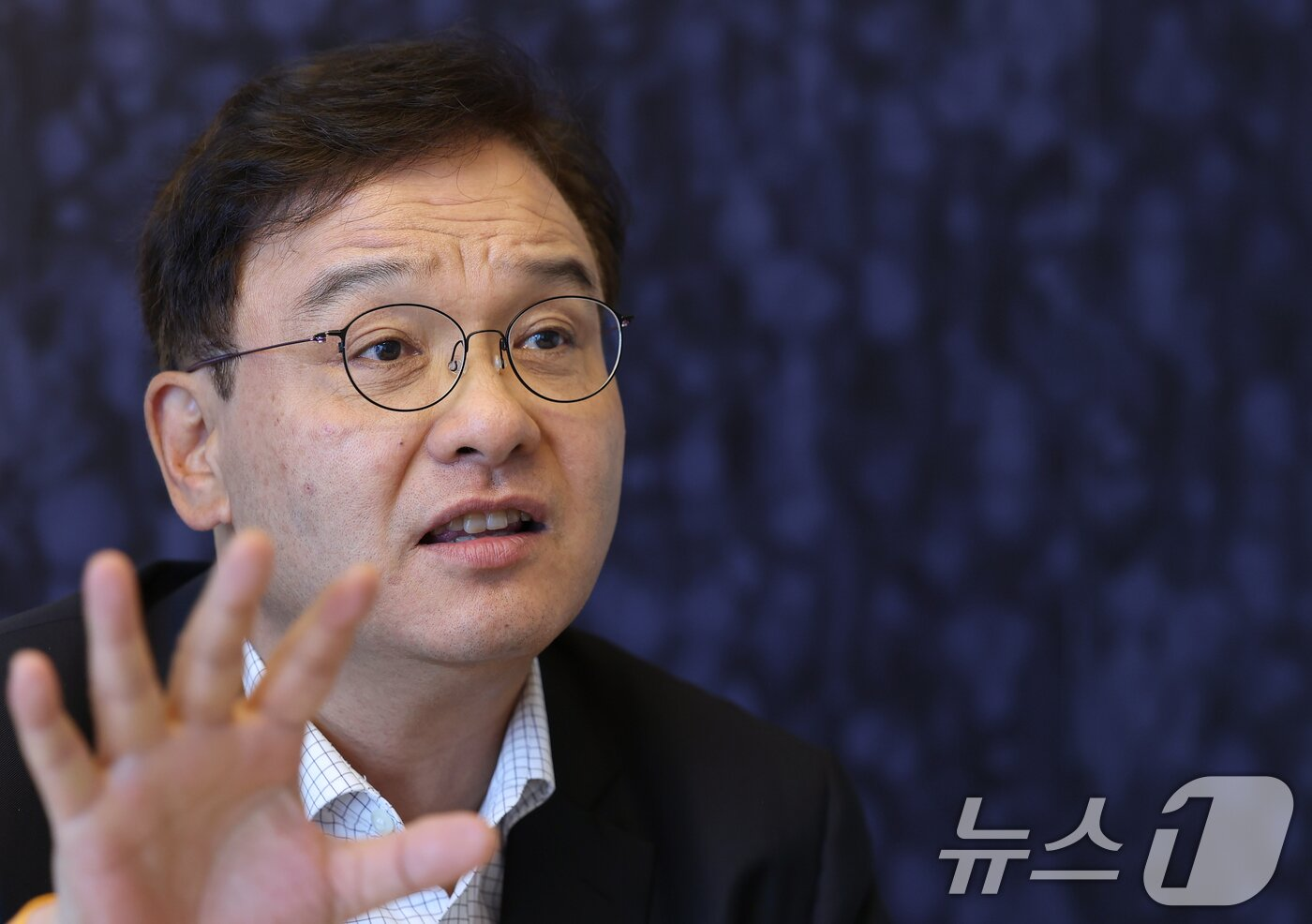
Following the progress of RGN-259, HLB Therapeutics is looking to broaden its pipeline—built on the therapeutic potential of thymosin beta-4—into other rare ophthalmic conditions. The company is setting its sights on two major targets: limbal stem cell deficiency (LSCD) and macular degeneration.
Ahn explained that LSCD is a rare condition resulting from stem cell damage, which can allow abnormal cells to encroach on the cornea and ultimately impair vision or cause blindness. He noted that preclinical animal studies are set to begin in August. He added that the company is preparing to pursue favorable licensing agreements to secure a substantial upfront fee in future partnerships.
Another priority is macular degeneration, which is becoming increasingly prevalent due to an aging population. HLB hopes to break from the industry standard of direct intraocular injections by developing an eye drop alternative—something that could be a welcome option for patients who are wary of needles near their eyes.
Ahn shared that they want to challenge the current treatment paradigm by introducing a drop-based therapy for macular degeneration. He noted that their team includes experts with multiple global Phase 3 trials under their belt and expressed confidence in their ability to expand the pipeline with the same rigor and experience.
About the CEO
Ahn holds a bachelor’s degree in international trade and a master’s degree from Waseda University. He has held senior finance and executive roles throughout his career, including CFO at NexTel and Head of the Financial Strategy Division at E.Land World. He is currently the CEO of HLB Therapeutics.