

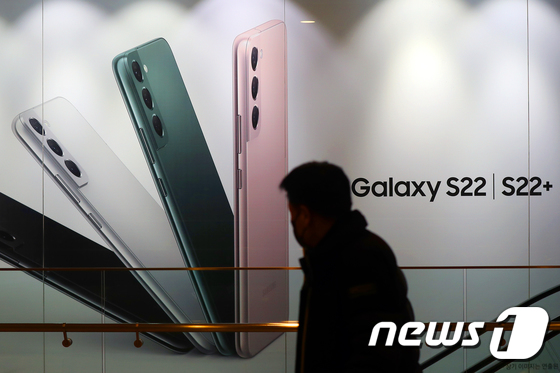
Galaxy S22 users have lost their class action lawsuit against Samsung Electronics over the controversial performance degradation caused by the Game Optimizing Service (GOS).
On Thursday, the Seoul Central District Court’s Civil Division 21 of South Korea, presided over by Judge Jihye Kim, ruled in favor of Samsung Electronics, dismissing the claims of 1,881 smartphone buyers who had filed for damages.
The lawsuit stemmed from the controversy surrounding the mandatory implementation of the GOS application, starting with the Galaxy S22 series. This app reduces frame rates and response times in gaming applications to prevent overheating during intensive data processing.
Samsung first introduced this feature with the launch of the Galaxy S7 in 2016. Until recently, users could bypass the GOS app by installing paid third-party applications.
However, after the operating system update to Android 12-based One UI 4.0, even these workarounds became ineffective in disabling GOS.
Samsung had announced plans to release a software update that would allow consumers to adjust the level of GOS activation.
Nevertheless, consumers continued to protest, arguing that the GOS app was a stopgap measure for addressing overheating issues and that Samsung had failed to disclose its mandatory implementation properly. On March 24, 2022, they filed a lawsuit seeking damages of 300,000 KRW (approximately 219 USD) per person.
During the trial, Samsung’s legal team argued that the issue only affected specific users of the gaming app and emphasized the significant difference from the Apple case, where CPU performance was reduced for all users to prevent unexpected shutdowns.
Samsung also maintained that claims of GOS degrading smartphone performance were unfounded. They denied allegations of inflating performance test results and insisted they had not engaged in deceptive advertising to exaggerate their devices’ capabilities.
In response, the plaintiffs contended that Samsung had promoted the inclusion of cutting-edge processors without disclosing their operational limitations. They argued that this lack of transparency led them to unknowingly purchase smartphones with restricted performance, constituting deceptive advertising through omission and concealment of crucial information.