

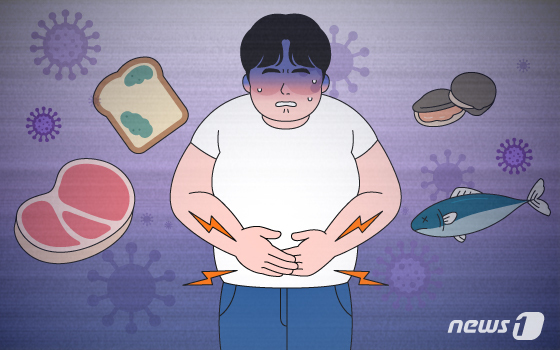
During the summer, there is a sharp rise in patients reporting diarrhea symptoms. The causes of diarrhea symptoms can vary, leading to different diagnoses such as food poisoning, gastroenteritis, or simple indigestion, each requiring distinct treatments.
The Korea Disease Control and Prevention Agency defines food poisoning as an illness caused by consuming food contaminated with harmful microorganisms or toxic substances. Its primary symptoms include high fever, vomiting, diarrhea, and elevated body temperature.
When food poisoning damages the intestinal lining and impairs digestive function, immediate food consumption can exacerbate symptoms due to absorption issues. The initial treatment focuses on replenishing fluids lost through vomiting and diarrhea, as well as correcting electrolyte imbalances with IV fluids. Drinks containing glucose or electrolytes are absorbed more quickly than plain water. Therefore, it’s recommended to drink boiled water mixed with sugar or salt, or to consume sports drinks.
Viral gastroenteritis, unlike food poisoning, is caused by viruses rather than bacteria. Symptoms typically appear 2-3 days after exposure and usually subside within three days. Early signs often include low-grade fever, chills, and muscle aches. Its high contagiousness means it can easily spread to those in close contact with patients or those sharing meals, warranting extra caution. Children and older people, who have weaker immune systems, may experience more severe symptoms and require special attention.
Indigestion caused by excessive air conditioning or overconsumption of cold foods is generally milder than the infections above. Frequent exposure to drastic temperature changes between indoor and outdoor environments during summer can disrupt digestive processes, leading to indigestion and diarrhea. Similarly, consuming large amounts of ice cream or cold beverages can temporarily impair stomach function, leading to loose stools.
In such cases, fever is usually absent, and symptoms typically improve naturally within a day or two. It’s advisable to replenish lost fluids by sipping on barley tea or sports drinks. Eating light, bland foods and getting rest often leads to recovery without medication in most cases.
Experts caution against self-diagnosing based on symptoms alone, as it’s challenging to differentiate between food poisoning, gastroenteritis, and simple indigestion. If high fever, bloody stools, or severe abdominal pain occur, immediate medical attention is crucial for accurate diagnosis. It’s essential to avoid taking anti-diarrheal medications without consulting a doctor when food poisoning is suspected, as this can trap bacteria and toxins in the body, potentially worsening the condition.
Dr. Tark Kim, Professor of Infectious Diseases at Soonchunhyang University Bucheon Hospital, notes that bacterial infections causing acute diarrhea are more common in summer due to higher humidity and temperatures favoring bacterial growth. He warns that climate change could extend the duration and increase the incidence of acute infectious diarrhea throughout the year.