

The 18th Pyongyang International Film Festival (PIFF), North Korea’s sole international cinematic event, is underway in Pyongyang until October 27. This year’s festival marks a triumphant return after a six-year hiatus following its suspension in the fall of 2019 due to the COVID-19 pandemic.
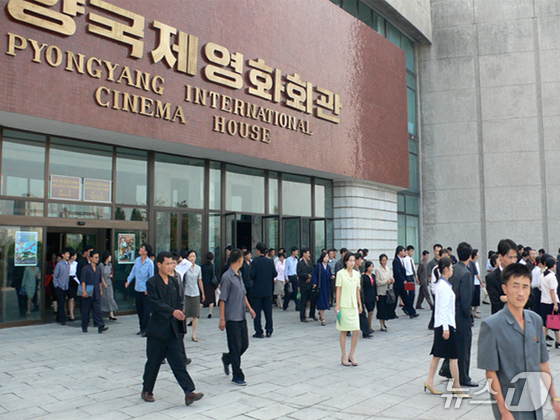
On Thursday, Koryo Tours, a travel agency specializing in North Korean experiences, unveiled the festival schedule and highlighted enticing tourism packages. These packages offer a blend of film screenings, intimate discussions with filmmakers, and guided tours of Pyongyang’s iconic sights. Foreign delegates attending the festival will be accommodated at the Yanggakdo Hotel, with major screenings set to take place at the nearby Pyongyang International Cinema House.
Established in 1987, PIFF serves as a rare window into international cinema for the people of North Korea. However, the festival still upholds its longstanding ban on Japanese, South Korean, and American films—a restriction implemented since its inception. This year’s lineup boasts 92 entries from diverse nations, including Indonesia, Poland, and Mexico, with 11 films making the cut as nominees. Interestingly, Indian films, typically popular within North Korea, are notably absent from this year’s selection.
The festival’s program is expected to heavily feature films with strong propaganda elements. Highlights include North Korea’s latest propaganda piece Day and Night and 72 Hours, a film centered on the Korean War narrative.
Earlier this year, North Korea briefly reopened its doors to foreign tourists following a COVID-induced hiatus, only to close them again in the spring. While events like the Pyongyang Marathon and the Workers’ Party’s 80th anniversary have drawn international visitors, these remain exclusive affairs. Full-scale tourism has yet to resume, with analysts pointing to lingering health concerns, including COVID-19, as the primary reason for this cautious approach.
Although the film festival will welcome foreign participants, experts caution against viewing this event as a precursor to widespread tourism in North Korea. Joy Stevens, a tour representative from Koryo Tours, told NK News that PIFF acts as a cultural bridge, offering North Koreans a glimpse of the outside world through international cinema. It could potentially pave the way for more foreign visits to North Korea. However, she tempered expectations by adding that while a fully open North Korea would be ideal, the reality is that such a dramatic shift remains highly unlikely in the near future.