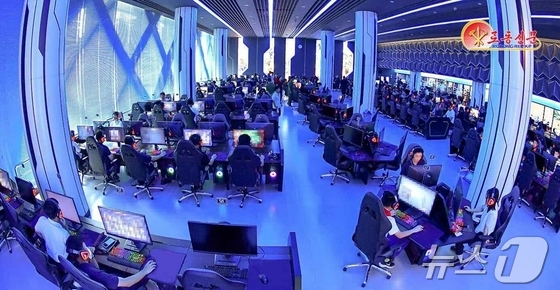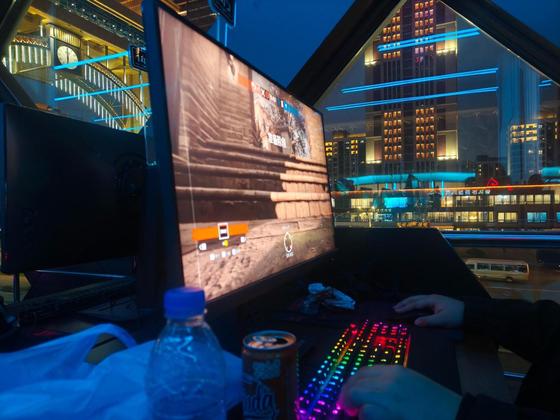
North Korean youth were recently observed playing first-person shooter (FPS) games developed by foreign companies at a newly opened gaming center in Pyongyang’s Hwasong District. This revelation on Monday raises questions about North Korea’s stance on foreign cultural influences, suggesting the regime might be replicating overseas games while claiming domestic development.
A Chinese visitor to North Korea shared footage on X (formerly Twitter) showing young North Koreans engrossed in FPS games, wearing gaming headsets at the Hwasong Computer Arcade.
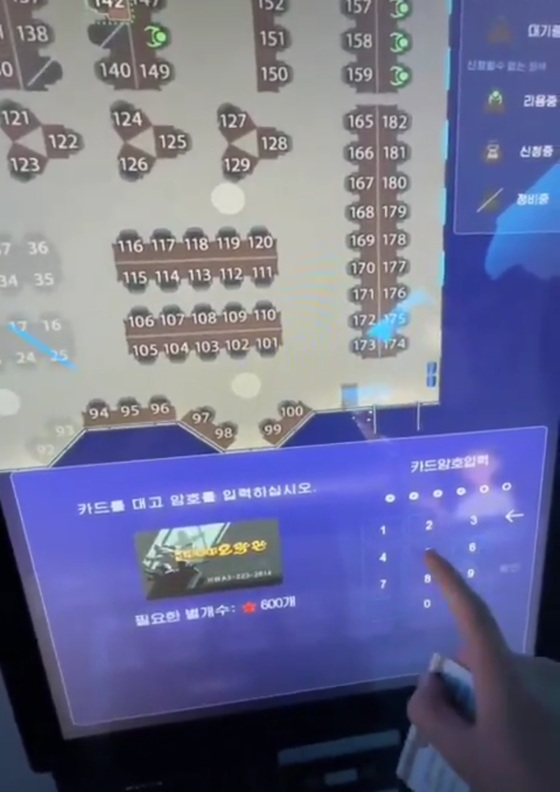
The visitor described the entry process: selecting an available seat and time at a kiosk, scanning a card labeled Hwasong Computer Arcade, and choosing a seat with a password.
The arcade reportedly offers popular international titles such as Counter-Strike 2, Call of Duty: Black Ops 3, and Tom Clancy’s Rainbow Six series. These games are available in English, North Korean, and Chinese versions.
While Counter-Strike 2 and Call of Duty: Black Ops 3 are products of American developers, the Tom Clancy’s Rainbow Six series comes from a French-based video game company. The means by which North Korea acquired these games remains unclear.

As North Korea sends troops to Russia and touts it as a national accomplishment, the regime may be distributing replicas of foreign games to instill aggression in its youth, while falsely claiming these as domestic creations.
In 2017, a North Korean propaganda outlet, Arirang Meari, promoted an allegedly homegrown FPS game called Hunting Yankee. This anti-American propaganda game, featuring U.S. soldiers as enemies, was reportedly inferior in graphics and gameplay compared to international standards.

Earlier in September, North Korean media showcased the Hwasong Computer Arcade’s interior, deliberately blurring monitor screens to conceal their content.
This gaming center is part of the modern amenities in Pyongyang’s New Town development in the Hwasong District. Kim Jong Un personally inspected the facility during its April completion ceremony, unveiling what he termed North Korea’s version of an internet cafe before its official opening.