

A YouTuber who raised concerns about North Korean nuclear wastewater allegedly entering the waters off Ganghwado, Incheon, has been cleared of charges following a police investigation.
On Sunday, the Incheon Ganghwa Police Station announced it would not pursue charges against YouTuber A, who had been accused of obstructing business operations, citing insufficient evidence.
In their official statement, the police explained that they obtained a search warrant to request data from Google, which operates YouTube, but the request was ultimately denied. They added that the device used by A is commercially available and that investigators found no evidence of video manipulation, making it difficult to establish criminal intent.
However, the police acknowledged that A’s YouTube video contributed to the spread of rumors about the release of nuclear wastewater on social media, which became a significant public concern.
The investigation was initiated after residents of the local fishing community filed a complaint, alleging that A’s video led to a decline in tourism, negatively impacting the livelihoods of fishermen and local merchants.
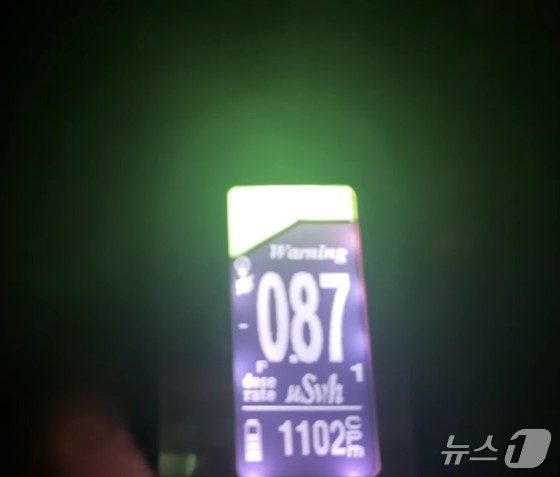
In June and July of last year, A used a portable device to measure radiation levels at Seokmodo Beach on Ganghwado. They then posted a video on their YouTube channel claiming to have detected radiation levels of 0.87 microsieverts (μSv) per hour, allegedly eight times higher than normal.
However, subsequent water quality tests conducted by Incheon City in collaboration with relevant agencies found that all radioactive substances were within normal, safe levels.