

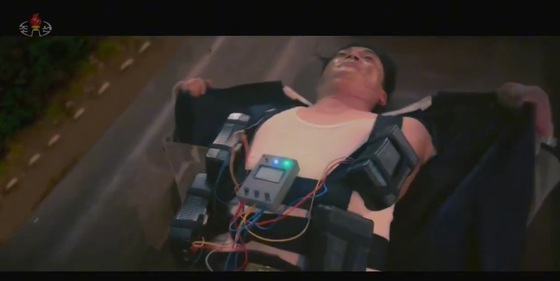
On January 3, North Korea aired a film through state media depicting an assassination attempt on its supreme leader. This unprecedented move, addressing the previously taboo subject of the leader’s security, has garnered significant attention as of January 9.
Korean Central Television broadcast Day and Night of Confrontation, a sequel to the 2022 film One Day, One Night, which explored an assassination attempt on Chairman Kim Il Sung. Produced by North Korea’s 4.25 Film Production Company, this movie is set in the 1990s and follows a prosecutor investigating a plot against the supreme leader.
The film is particularly noteworthy as its protagonist, prosecutor Lee Tae-il, is revealed to be the actual perpetrator, adding a surprising twist to the narrative. The timing of this release is also significant, coming on the heels of recent U.S. military operations that led to the ousting of Venezuelan President Nicolás Maduro.
In the first installment, Lee Tae-il is portrayed as the son of the individual who attempted to assassinate Chairman Kim Il Sung. He conspires to kill North Korea’s second leader, Kim Jong Il, through a train explosion, betraying his wife in the process.
Following the failed assassination attempt, Lee Tae-il flees into exile. The film concludes with a scene showing his descendant secretly returning to North Korea, hinting at a potential third installment in this assassination-themed series.
NK News, a U.S.-based North Korea-focused media outlet, commended the film for its graphic scenes and unusually frank depiction of social evils, particularly highlighting the bold choice to feature the villain as the protagonist.
Through Lee Tae-il’s monologue, the film reflects on the tumultuous 1990s: the collapse of Eastern European socialism, the supreme leader’s death, economic sanctions from major powers, and the 3-3-3 collapse theory predicting North Korea’s demise within three days, months, or years. Lee Tae-il admits that he too staked his fate on the political calculations of anti-republic forces, addressing the geopolitical challenges and systemic instability North Korea faced during its Arduous March of economic hardship and nuclear development.
The film’s cliffhanger ending suggests a sequel, likely aimed at reinforcing national solidarity by emphasizing the ongoing, multi-generational threats to the regime.
The movie also explicitly showcases forbidden anti-republic activities, including possession of hymns and Bibles, bribery, and sexually inappropriate encounters used by Lee Tae-il for blackmail.
This film, which debuted last year, reportedly won awards in three categories at the Pyongyang International Film Festival (PIFF).
Another striking feature is the film’s Hollywood-style action sequences, including train fights, car chases, and explosions. This marks a departure from traditional North Korean propaganda films that emphasized unconditional loyalty, sacrifice, and praise through sentimental narratives. While North Korea strives to block outside influences, this shift suggests a growing need to cater to citizens increasingly exposed to foreign media.
NK News observed that the North Korean film industry appears to be embracing more visually stimulating storytelling, interpreting this as an attempt to modernize state propaganda and captivate younger generations familiar with external media.