

Since last year, measles has been spreading globally, with the U.S. reporting its highest number of cases in 33 years. In response to this unprecedented surge, health authorities are urging vaccinations for those planning to visit countries experiencing measles outbreaks.
According to the Korea Disease Control and Prevention Agency (KDCA) and Reuters on Tuesday, the measles outbreak that began in the U.S. last January continues unabated. In 2023, the country recorded 2,065 measles cases, a sevenfold increase from the previous year’s 285 cases. This marks the largest outbreak since 1992, with the majority of patients being children and teenagers aged 5 to 17.
South Carolina has been particularly hard hit, with 310 cumulative cases reported as of January 9, including nearly 100 confirmed cases in just two days. Clusters of suspected infections have also emerged in Arizona and Utah. Some experts attribute this resurgence to vaccine skepticism during Donald Trump administration and declining vaccination rates.
Measles is a highly contagious viral disease that can spread through the air. The infection rate exceeds 90% for unvaccinated individuals exposed to the virus. The incubation period ranges from 7 to 21 days, with initial symptoms including fever, cough, runny nose, and conjunctivitis, followed by a rash that starts on the face and spreads throughout the body.
In South Korea, measles is classified as a level 2 infectious disease, requiring mandatory reporting and isolation within 24 hours due to its high transmissibility. Last year, South Korea reported 78 measles cases, most of which were imported from abroad.
The alarming signs of measles resurgence extend beyond the U.S. to Southeast Asia, prompting increased caution for travelers visiting affected countries. The World Health Organization (WHO) reported approximately 360,000 measles cases worldwide in 2024. Outbreaks persist in Europe, the Middle East, Africa, and Southeast Asia, regions frequently visited by South Koreans.
According to the WHO’s Western Pacific Regional Office, Mongolia had the highest measles incidence rate in 2025 at 673.3 cases per million people, followed by Cambodia (290.0), Laos (145.6), the Philippines (38.7), and Malaysia (25.2). Vietnam has also reported a significant spread of measles since 2024.
Health authorities emphasize that the Measles, Mumps, and Rubella (MMR) vaccine effectively prevents measles. One dose provides about 95% efficacy, while two doses increase that to approximately 97%. It’s crucial for children aged 12 to 15 months and 4 to 6 years, who are eligible for national vaccination support, to complete both doses. Given that it takes about two weeks for immunity to develop, vaccination should occur at least two weeks before visiting a country experiencing a measles outbreak.
High-risk groups, including infants under 12 months, pregnant women, and immunocompromised individuals, face a higher risk of severe complications such as pneumonia, otitis media, and encephalitis if infected. Families with members in these groups should seek immediate medical attention if symptoms arise after international travel. For infants aged 6 to 11 months who must visit an outbreak country, accelerated vaccination before departure is an option.
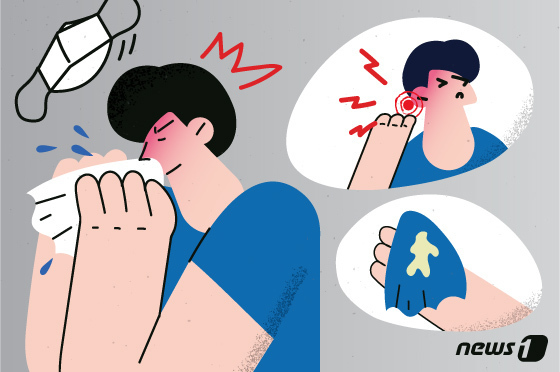
Health officials advise individuals who develop symptoms like fever or rash within three weeks of visiting a country with a measles outbreak to minimize contact with others, wear a mask, and seek medical care while disclosing their travel history. Suspected measles patients should be isolated for four days after the rash appears, and immediate exclusion from schools or daycare centers is recommended.