

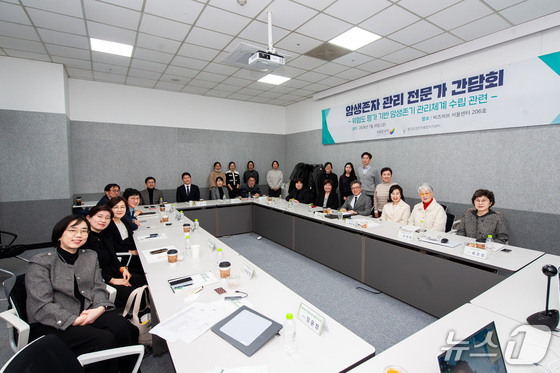
On Wednesday, the National Cancer Center announced its participation in a global campaign organized by the Union for International Cancer Control (UICC) to commemorate World Cancer Day. The event aimed to promote a culture of People-Centered Care, fostering collaboration between cancer patients and healthcare professionals.
This initiative aligns with UICC’s main theme for 2025-2027, “United by Unique: Coming Together to Overcome Cancer,” which emphasizes solidarity in the face of diverse challenges. The National Cancer Center chose to focus on “People-Centered Care” as its core message, organizing opportunities for dialogue between medical staff and patients.
On Friday, the center held a communication event under the slogan “Patient, as a team member,” bringing together healthcare professionals and representatives of cancer survivors to share their thoughts and experiences.
Survivors of various cancers, including stomach cancer, breast cancer, and leukemia, attended the event. They openly discussed the practical difficulties they face in daily life after treatment and emphasized the importance of care from a patient’s perspective. Medical professionals listened attentively, recognizing the crucial need to understand patients’ lives deeply.
The cancer survivors emphasized that the sense of uncertainty and challenges following a cancer diagnosis varies for each individual. They stressed the necessity for personalized cancer treatment and care, which resonated strongly with the healthcare professionals. Both groups agreed that understanding a patient’s daily life is an essential extension of treatment and a cornerstone of truly patient-centered care.
Building on the insights gained from this event, the National Cancer Center plans to continue fostering a culture of mutual respect in cancer treatment and care. This will be achieved through ongoing campaigns and communication programs that engage both patients and healthcare providers.
Dr. Yang Han-gwang, director of the National Cancer Center, said cancer patients are not just recipients of care, but people who have navigated a challenging journey and can offer invaluable insights to others facing similar battles. He added that the center is committed to facilitating ongoing communication as a united team of patients and healthcare professionals.