

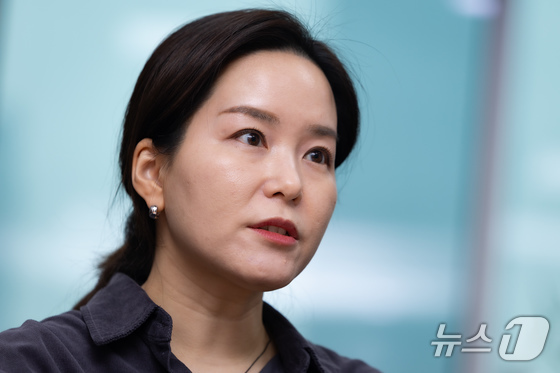
It’s not a matter of refusing to accept patients, but rather a complex situation.
In a recent interview with News1, Lee Joo-young, a Reform Party member and pediatric emergency medicine specialist on the National Assembly’s Health and Welfare Committee, diagnosed the recurring emergency room overcrowding issue as a structural problem rooted in the breakdown of support care and delivery systems, rather than simple refusal to accept patients.
Accepting a fourth critical patient when already caring for three could increase risks
Lee emphasized that it is not refusing emergency patients; it is facing real challenges on the ground. She explained that emergency room overcrowding isn’t a simple choice but an unavoidable situation due to maxed-out support care capacity.
Lee stressed the need to focus on ten national university hospitals to address the emergency medical services crisis. She argued for concentrating resources and staff to ensure these hospitals can reliably manage essential duties and intensive care units.
Currently, with unstable tertiary hospital support, secondary hospitals are reluctant to admit severe cases, fearing a lack of transfer options if patients worsen. This leads to an influx of even minor cases to higher-level facilities.
She predicted a positive ripple effect if tertiary hospital support stabilizes, allowing secondary hospitals to accept critical patients and revitalizing primary and local emergency rooms.
Lee also proposed amending the Emergency Medical Act to address systemic issues. The revision would establish a central emergency medical coordination center under the Health Minister, overseeing regional centers to manage patient transport. It also aims to enhance pre-hospital severity classification training and integrate operations around central emergency centers.
Lee stated that the public needs a system that quickly directs patients to the right facility, not just the nearest one. She emphasized prioritizing accurate triage and coordination over forcing patient acceptance.
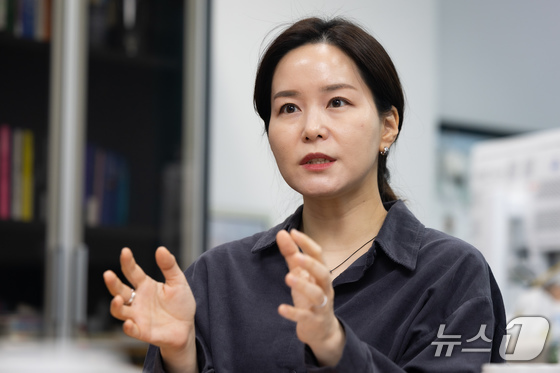
Essential and Emergency Care Avoidance: Diminishing Authority, Increasing Responsibility
Lee attributed the avoidance of essential and emergency care to reduced autonomy. She noted that as medical staff’s decision-making power shrinks, their responsibilities grow. Facing potential penalties for not meeting insurance review criteria, coupled with stricter regulations and legal risks, medical professionals are forced into defensive practices.
Lee’s first bill in the Assembly aimed at criminal immunity for emergency medical services. She stated that the fear on the ground won’t dissipate while unavoidable adverse outcomes face criminal charges, advocating for viewing healthcare as a self-sustaining ecosystem rather than a government control tool.
Lee criticized the government’s plan to expand medical school enrollment, saying it lacks a comprehensive vision for addressing healthcare workforce needs.
She warned that simply increasing numbers without a holistic healthcare plan considering utilization patterns, insurance finances, and educational capacity could breed more distrust. Given the looming health insurance deficit, Lee called for a decade-long financial forecast detailing government healthcare commitments. Without this, merely boosting personnel could perpetuate structural issues in essential care.
Biotech and Healthcare Regulation: The Need for Flexible, Negative Regulation
Lee advocated for transitioning biotech and digital healthcare regulations to a more flexible, negative approach. She said that the current system of preemptive regulations can’t keep pace with rapidly evolving global technologies. For internationally validated technologies, Lee suggested allowing limited market use followed by post-implementation evaluation.
She cited Germany’s model, which pre-approves qualifying digital therapeutics, evaluates real-world data, then decides on coverage. Ineffective treatments are removed, while proven ones receive coverage, Lee explained.
Lee also highlighted the U.S. system’s pre-change plans (PCCP) for continually updating technologies like digital therapeutics, allowing pre-approval of certain updates. She stressed the need for regulations to adapt to rapid technological progress.
Lee concluded that it needs a system that balances increased autonomy with heightened responsibility. She advocated for clear corporate accountability for issues, with government focus on safety standards and post-market oversight.
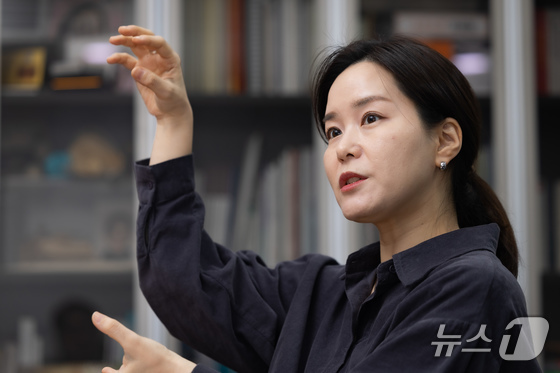
Lee Joo-young’s Profile
△Daegu native △Dongguk University Medical School graduate △Master’s in Medicine from Ulsan University △Former specialist at Seoul Asan Medical Center △Former clinical associate professor at Soonchunhyang University Cheonan Hospital △22nd National Assembly Member (Proportional Representative) △Member of the National Assembly Budget and Accounts Special Committee △Policy Committee Chair for the Reform Party △Talent Recruitment Committee Chair for the Reform Party △Member of the National Assembly Health and Welfare Committee