

The carbon neutrality initiative, previously halted by former President Donald Trump, is gaining momentum again due to the ripple effects of the Middle East conflict. While Trump’s opposition had stalled the international community’s decarbonization roadmap, the energy crisis originating from the Middle East is now accelerating efforts to reduce the industry’s reliance on fossil fuels.
Notably, industries heavily dependent on fossil fuels, particularly the steel and shipbuilding sectors, are ramping up investments in eco-friendly technologies.
From blast furnaces to hydrogen: Steel industry’s major transformation begins
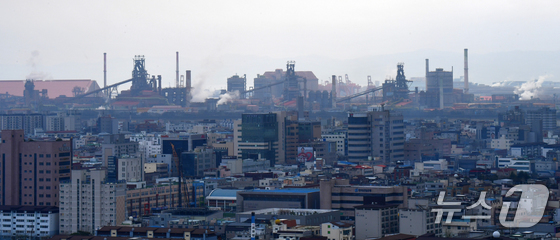
According to industry sources on April 2, the domestic steel sector is a major energy-consuming industry, accounting for approximately 15% of greenhouse gas emissions from the industrial sector. In light of the current Middle East situation, the steel industry is expected to accelerate its transition to processes that reduce fossil fuel dependence and lower carbon emissions.
POSCO is expediting the commercialization of hydrogen reduction steelmaking technology. The company plans to invest around 800 billion KRW (about 525 million USD) to establish the HyREX Demo Plant, aiming for operation by 2028. HyREX is an innovative process that uses hydrogen instead of coal, emitting only water and significantly reducing carbon emissions.
A full transition to this process will require additional funding comparable to existing investments. However, reducing fossil fuel usage is expected to be effective in addressing long-term carbon regulations and ensuring cost stability.
In June, a 2.5 million-ton electric arc furnace will begin operations at the Gwangyang Steelworks. POSCO estimates this will help reduce greenhouse gas emissions by 3.5 million tons annually.
Hyundai Steel, another major player in the steel sector, is also accelerating the development of its electric arc furnace-based low-carbon product production system called HyCube. The company aims to commercialize this technology in the 2030s while expanding research and development investments for transitioning to hydrogen-based production systems.
Additionally, Hyundai Steel is expanding electric arc furnaces and improving blast furnace process efficiency to simultaneously reduce fossil fuel usage, lower carbon emissions, and maintain cost competitiveness.
Despite delayed discussions on ship carbon tax, eco-friendly vessel competition persists
The shipbuilding industry is also facing intense pressure for an eco-friendly transition. Although there was some regression during the Trump administration, the International Maritime Organization’s (IMO) goal of achieving carbon neutrality by 2050 has rapidly increased demand for low-carbon and zero-carbon fuel vessels in the global shipping market.
HD Hyundai is actively working to secure technologies for using ammonia and hydrogen as next-generation ship fuels. They plan to collaborate with the American Bureau of Shipping (ABS) to develop a nuclear-powered electric propulsion system for large container ships. HD Korea Shipbuilding & Offshore Engineering, the intermediate holding company, will issue exchangeable bonds to raise up to 2 billion USD to expand its eco-friendly ship business.
Samsung Heavy Industries is focusing on developing a zero-carbon ship propulsion system that operates fuel cells by breaking down ammonia into hydrogen. Hanwha Ocean is also developing key technologies for liquefied hydrogen carriers and electric propulsion systems, aiming to lead in the future ship market.
The shipbuilding industry views the current energy security crisis as a catalyst for industrial restructuring beyond mere supply chain instability. They recognize that without technologies to reduce fossil fuel dependence and carbon emissions, responding effectively to the energy crisis will be challenging.
However, cost remains the key issue. POSCO Group Chairman Choi Jeong-wha recently emphasized at a shareholders’ meeting that transitioning to electric arc furnaces is essential for reducing carbon emissions, but low-carbon steel production incurs higher costs. He stressed the importance of establishing a price premium for low-carbon products through collaboration with customers.