

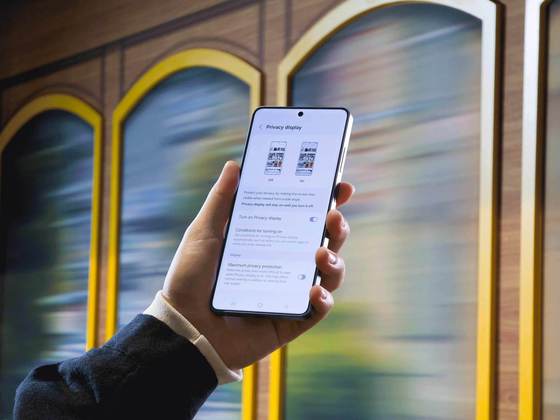
A new survey found that one in four people in the United Kingdom deliberately peek at strangers’ smartphone screens in public.
Samsung Electronics released the survey April 1 through its newsroom, revealing that personal information — from private photos to bank account details — is routinely exposed in public spaces. The poll surveyed 1,000 UK residents.
More than half of respondents (57%) said they have looked at someone else’s phone in public, with 26% admitting they do so out of curiosity. Public transportation was the most common setting for screen snooping, cited by 61% of participants. Other frequent locations included store and supermarket queues (36%) and pubs, restaurants and cafes (14%).
Forty percent of respondents said they had seen personal content on a stranger’s phone, while 34% admitted to viewing something they shouldn’t have. The most commonly spotted content included social media notifications or profiles (41%), personal photos (37%), video call participants (33%), personal messages (32%), online shopping activity (20%), dating app profiles (17%) and bank balances or account details (16%).
The exposure risk is already changing behavior. Thirty-eight percent of respondents said they now avoid using their phones in public out of concern others may be watching. Of those, 65% stopped conducting banking activity on their devices, and 52% delayed entering passwords or checking personal messages.
Samsung conducted the survey to promote the privacy display feature on the Galaxy S25 Ultra. The technology narrows the screen’s viewing angle so it remains clearly visible only to the person directly in front of the device — no screen protector required.