

On Tuesday, the Middle East Eye (MEE) reported that a senior U.S. government official announced plans to overhaul the visa system to support foreign business activities within the country.
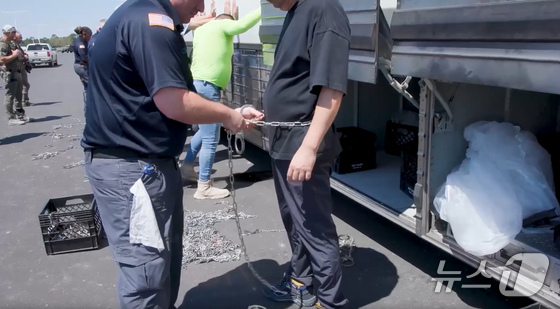
The official expressed regret over last September’s incident, where more than 300 Korean employees were detained and deported from a Hyundai factory in Georgia.
According to MEE, U.S. Deputy Secretary of State Christopher Landau addressed concerns about the U.S. appearing as an unpredictable or unsafe investment destination during a press briefing at the SelectUSA Investment Summit in National Harbor, Maryland. He stated that it’s significantly reforming the visa system to address these concerns.
Landau added that ultimately, it aims to encourage and incentivize foreign investment in the U.S.
The Deputy Secretary emphasized the need to balance strict immigration and visa law enforcement with promoting foreign investment. He noted that it must ensure our immigration laws don’t become unnecessary barriers to investment. While he doesn’t believe these goals are mutually exclusive, the challenge lies in making them work together effectively.
Last September, U.S. immigration authorities arrested and detained 475 individuals, including over 300 Koreans, at a Hyundai factory in Georgia for lacking valid work visas. Korean companies have often used B-1 business visas or the Electronic System for Travel Authorization (ESTA) due to difficulties obtaining U.S. visas for skilled professionals.
Since the incident, the South Korean government has been urging the U.S. to improve its visa system. During a recent meeting with visiting U.S. senators, President Lee Jae-myung called for improvements to visa policies for Korean workers to prevent similar incidents.
The SelectUSA Investment Summit, organized by the U.S. Department of Commerce to attract foreign direct investment, is taking place from May 3 to 6 at the Gaylord National Lizzort and Convention Center in National Harbor, Maryland. Last year’s event drew over 5,500 attendees from more than 100 countries and regions.