

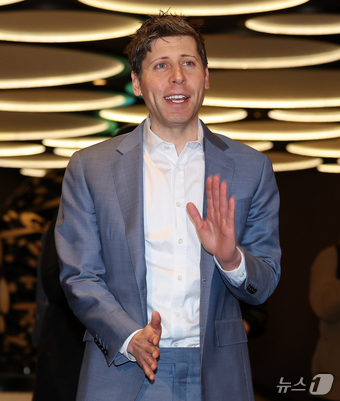
OpenAI has expressed interest in acquiring Google Chrome if Google is ever forced to sell the browser.
According to Bloomberg and other foreign media outlets on Tuesday, Nick Turley, Head of Product at OpenAI, testified as a witness for the U.S. Department of Justice in an ongoing antitrust trial regarding Google’s alleged monopoly in the search market. Turley responded affirmatively when asked in the federal court in Washington, D.C., whether OpenAI would be willing to acquire Chrome.
Turley added that not only OpenAI but many companies would likely be interested in acquiring Chrome.
OpenAI currently offers extensions such as ChatGPT for the Google Chrome browser.
Turley stated that integrating ChatGPT into Chrome could deliver an incredible user experience, allowing users to engage directly with AI-centric tools in their everyday browsing.
OpenAI has been exploring ways to enter the browser market. According to U.S.-based tech outlet TechCrunch, OpenAI recently hired former Google engineers Ben Goodger and Darin Fisher, both of whom were involved in the development of Chrome.
As of March 2025, Chrome holds a 66.16% share of the global browser market. Its dominance is even greater in specific regions, with 78.5% in South America and 71.5% in the Asia-Pacific.