A bill mandating the installation of manual door release mechanisms on Tesla’s electric door handles has been introduced in the U.S. This legislation comes in response to a series of fatal incidents where passengers became trapped inside vehicles due to power loss from fires or accidents, rendering the electric door handles inoperable.
On Tuesday, U.S. Representative Robin Kelly (D-Illinois) introduced the Safety and Accessible Functional Exit Act (SAFE Exit Act), which would require new vehicle models equipped with electric door handles to have manual release mechanisms. This marks the first time a bill has been proposed to mandate specific door opening methods for vehicles.
In a statement about the bill, Rep. Kelly criticized fully automatic door handles, asserting that they are neither safe nor efficient, and have resulted in numerous fatalities. Trapping passengers in their cars due to accidents or power failures isn’t innovation; it’s a dangerous oversight.
The SAFE Exit Act is scheduled for review by the House Energy and Commerce Committee, which oversees the automotive industry, on January 13. If passed, automakers like Tesla that use electric door handles will need to implement new manual release mechanisms in their future models.
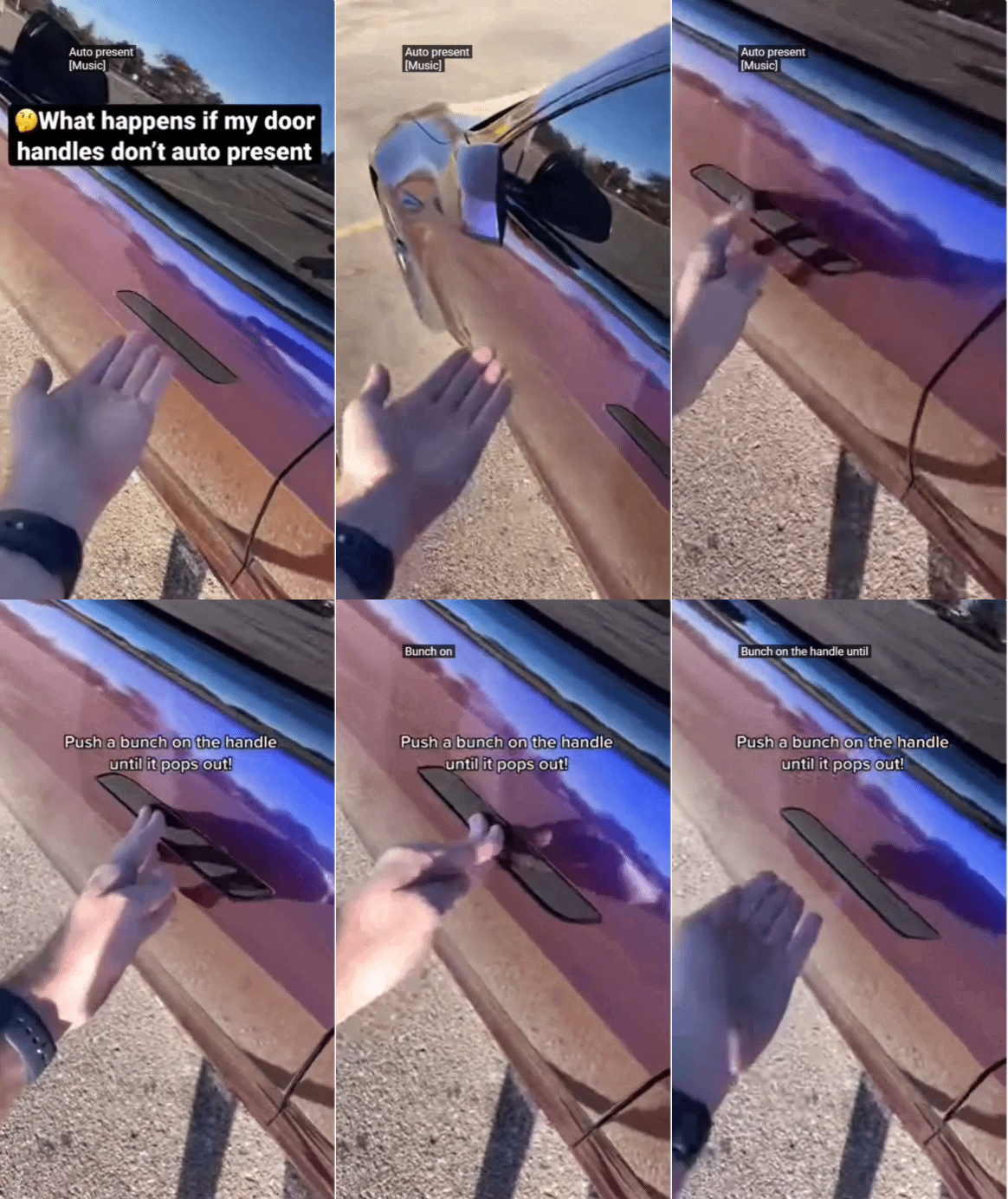
The problem with electric door handles lies in their design and operation. While traditional car handles protrude outward, Tesla pioneered flush-mounted electric handles with the launch of its Model S in 2012. This sleek design eliminates visual clutter and automatically extends when the key fob is detected, projecting a cutting-edge image. Tesla has since applied this mechanism to all its models, including the Model X, Model 3, and Model Y.
However, the reliance on electricity has raised safety concerns. If the 12V battery powering the door fails, passengers may be unable to access or operate the flush-mounted handle. A Bloomberg investigation of police and fire department reports over the past decade uncovered 12 incidents where inoperable electric door handles led to 15 fatalities. Many of these deaths occurred despite the presence of first responders, who were unable to open the doors in time.
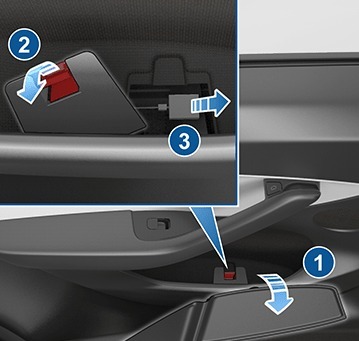
While Tesla vehicles do have some manual release features, they are limited and not uniformly implemented. Front-seat passengers can use a lever near the window switch for emergency exits. However, rear-seat passengers must expose a hidden panel and pull a cable, which can be challenging for injured occupants. The location and operation of these manual releases vary by model. Moreover, there’s no way to open a powerless door from outside, forcing rescuers to break windows to gain entry.
Following consumer complaints, the National Highway Traffic Safety Administration (NHTSA) launched investigations into potential door defects in Tesla’s Model Y and Model 3 in September and December 2022, respectively. NHTSA reports of electric door handle issues skyrocketed from 5 in 2015 to 146 in 2022, with 70% involving Tesla vehicles. Responding to the controversy, Tesla announced plans in December to implement a software update that would automatically unlock doors upon detecting a severe collision. The automaker is also considering redesigning its door handles.