

The U.S. government’s proposed semiconductor tariffs have prompted discussions between the South Korean government and the semiconductor industry to mitigate potential impacts on domestic manufacturers. Officials are gathering industry input to develop a strategy for negotiations with the U.S.
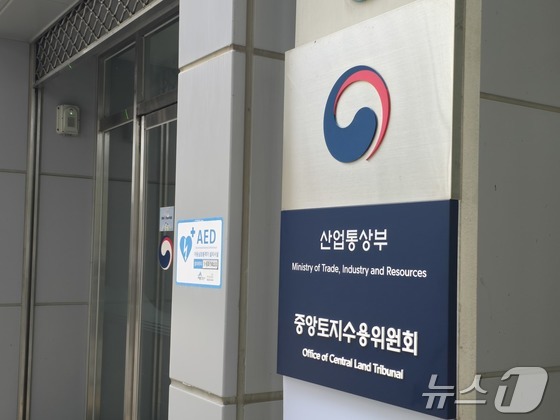
On Thursday, the Ministry of Trade, Industry and Energy convened an urgent meeting with semiconductor industry leaders at the Seoul Chamber of Commerce and Industry. Led by Kim Sung Yeol, Director of Industrial Growth, the session assessed the implications of U.S. tariff measures and explored response strategies.
The Ministry reported that on Wednesday, the administration invoked Section 232 of the Trade Expansion Act to impose a limited 25% tariff on advanced computing chips, effective Thursday.
Following trade talks with key partners, the U.S. plans to implement a second phase, introducing substantial tariffs across a broader range of semiconductor-related products.
The initial 25% tariff specifically targets high-end computing chips, such as NVIDIA’s H200 and AMD’s MI325X. Exemptions for data centers, maintenance equipment, R&D devices, consumer electronics, and industrial applications suggest the immediate impact on South Korean chipmakers may be limited.
However, significant uncertainty surrounds the scope and rates of second-phase tariffs, as well as potential offset programs linked to U.S. investments.
Industry representatives voiced concerns about these uncertainties, urging the government to advocate strongly for their interests in U.S. negotiations and maintain transparent communication throughout the process.
Director Kim emphasized the need for government–industry collaboration, saying they must work as a unified team to craft intelligent responses. He added that the government is committed to minimizing the impact on the semiconductor sector.