

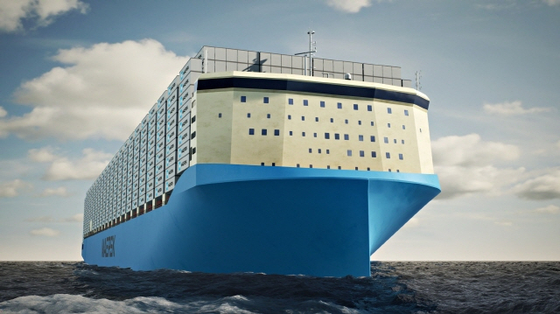
Last year saw a sharp decline in orders for eco-friendly ships powered by alternative fuels such as methanol, ammonia, and liquefied natural gas (LNG). This downturn is largely attributed to the retreat from environmental policies, exemplified by former President Donald Trump’s withdrawal from the Paris Climate Agreement.
The slump in shipping rates, volatile prices of alternative fuels, and inadequate infrastructure also played a role in shipping companies postponing their transition to greener options. The delay in adopting the International Maritime Organization’s (IMO) Net Zero Framework further dampened investment enthusiasm for eco-friendly vessels.
Clarkson Research, a leading UK-based shipping and shipbuilding market analyst, reported that orders for alternative fuel ships plummeted to 499 last year, marking a 39.1% decrease from the 820 vessels ordered in the previous year. This decline significantly outpaces the overall 27.1% drop in new ship orders, measured by compensated gross tonnage (CGT).
Breaking down the figures, methanol ship orders plunged by 44.1% to a mere 66 vessels compared to the previous year, while ammonia ship orders nosedived by 80.0% to just 5 vessels. LNG ship orders fared slightly better, falling from 390 to 256, a 34% reduction.
However, the shift in the proportion of orders by fuel type was notable. The share of methanol and ammonia vessels in total orders decreased by 1.2 and 2.0 percentage points respectively, while LNG vessels saw a 3.7 percentage point increase. This trend indicates a clear preference for LNG ships as methanol and ammonia orders stagnate.
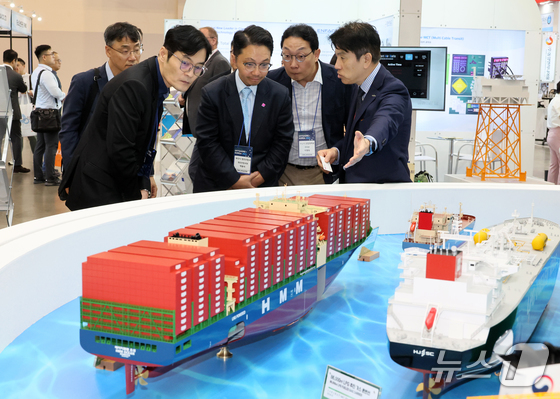
Methanol boasts lower carbon emissions than LNG and offers easier storage and transportation. Ammonia is emerging as a promising long-term solution for shipping decarbonization.
Yet, infrastructure remains a significant hurdle. While LNG bunkering is available at 222 ports worldwide, only 48 ports currently offer or plan to offer methanol bunkering. Ammonia infrastructure is still in its infancy, primarily at the demonstration stage.
Cost is another major concern. Green methanol and ammonia fuels can cost two to four times more than LNG, with prices highly volatile due to supply shortages and variable production costs. Given the 20-25 year lifespan of ships, there are serious doubts about the feasibility of recovering these investments.
As a result, LNG vessels are gaining traction as a transitional solution in the early stages of decarbonization. This mirrors the automotive industry’s shift from internal combustion engines to electric vehicles, with hybrid vehicles serving as an intermediate step. LNG can reduce carbon emissions by 20% compared to traditional bunker C fuel.
In this climate of uncertainty, shipowners are gravitating towards LNG vessels as a safer bet. An industry insider explained that the slowdown in methanol and ammonia vessel adoption stems from insufficient fuel infrastructure, price volatility of green alternatives, and regulatory ambiguity. The trend is leaning towards LNG vessels for their stability. Maersk’s retreat from its eco-friendly strategy has also cooled investment sentiment. Maersk is the world’s second-largest container shipping company.
This trend has continued into 2023. January saw orders for 16 LNG vessels, one methanol vessel, and zero ammonia vessels. Jason Stephanatos, Det Norske Veritas’ (DNV) global decarbonization director, noted that the January orders for alternative fuel ships clearly follow last year’s pattern, with LNG emerging as the dominant fuel choice.