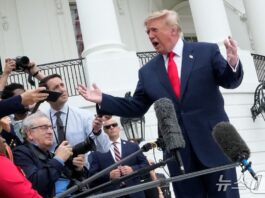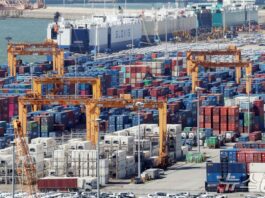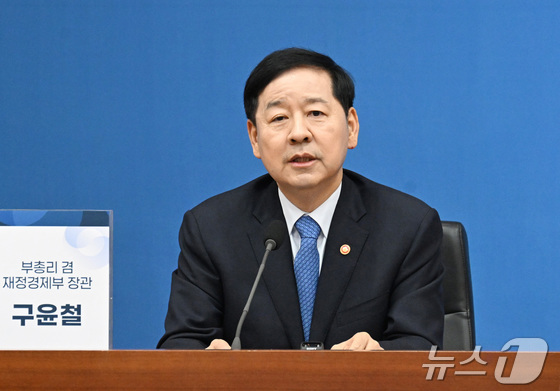
On Monday, South Korea’s Deputy Prime Minister and Finance Minister Choo Kyung Ho addressed the U.S. Supreme Court’s ruling on mutual tariffs, emphasizing ongoing trade uncertainties. He pledged to swiftly enact a special law on U.S. investment to mitigate these concerns.
Speaking at a National Assembly finance committee meeting, Choo vowed to proactively tackle changes in the trade landscape.
Assessing the current economic climate, he noted signs of recovery, citing improved domestic demand and a robust semiconductor sector. However, he cautioned that structural challenges persist, including population decline and stagnant investment productivity, which are hampering potential growth.
Choo highlighted enduring uncertainties in the global trade environment. He pointed to recent U.S. tariff issues, including the Supreme Court’s ruling, shifts in major countries’ trade policies, and volatility in financial and forex markets as ongoing concerns.
Choo stated that the Finance Ministry is acutely aware of these challenges. He emphasized plans to bolster economic recovery momentum while fundamentally reshaping the economy through proactive macroeconomic management.
The Deputy Prime Minister stressed the importance of enhancing strategic global economic partnerships. He reiterated the urgency of passing legislation to boost U.S. investment and alleviate trade uncertainties.
Choo underscored the critical role of South Korea’s credit rating and international credibility in fostering economic innovation. He promised vigilant management of these factors while adapting to evolving trade dynamics. To bolster economic security, he outlined plans to establish response mechanisms, increase stockpiles of critical minerals, and expand resource development to fortify supply chains.
On macroeconomic policy, Choo pledged to stimulate the economy, stabilize consumer prices, ensure stability in financial and foreign exchange markets, and manage real estate market risks. He committed to addressing structural imbalances in foreign exchange markets to reduce market volatility and maintain overall financial stability.