

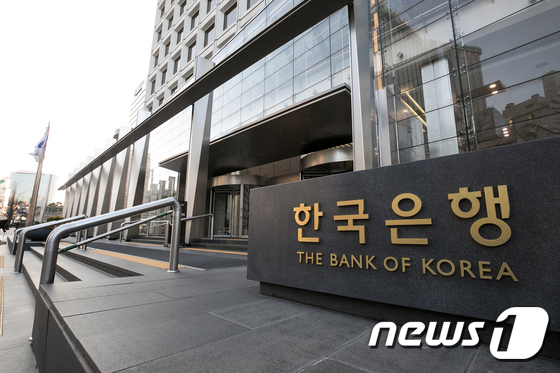
The Bank of Korea (BOK) has warned that uncertainties surrounding U.S. tariffs and monetary policy could increase volatility in Korean financial and asset markets, particularly in the stock market (KOSPI).
In a report to South Korea’s National Assembly on Monday, the BOK stated that the likelihood of a fundamental decline in stock prices is limited, given the government’s policy implementation and expectations of strong semiconductor industry performance.
The central bank also noted potential risks, including global stock market corrections driven by profitability concerns and the overvaluation of artificial intelligence (AI) companies.
Recent U.S. Supreme Court rulings invalidating some Trump-era tariffs have highlighted trade policy uncertainties. Financial markets are on edge, as the continuation of these tariff policies could impact export company performance and global trade conditions.
Meanwhile, South Korea’s stock market has shown strength, with the KOSPI breaking the 5,900 mark for the first time during intraday trading. Large semiconductor stocks have driven this index increase. However, changes in foreign investor activity and U.S. trade policy variables have contributed to increased volatility.
The BOK expressed optimism about the current economic outlook, stating that despite U.S. tariff impacts, the Korean economy is expected to strengthen its recovery due to robust semiconductor performance and better-than-expected global economic trends.
However, they cautioned that while this year’s annual growth rate carries some upward risk compared to last November’s forecast of 1.8%, significant uncertainties remain regarding U.S. tariff policies and the pace of AI investments.
Regarding inflation, the BOK projects that the consumer price index and core inflation rates will stabilize around the 2% target. They identified oil prices and exchange rate fluctuations as potential upward risk factors.
The central bank analyzed that exchange rates have shown high volatility, influenced by continued overseas stock investments by individuals, net selling of domestic stocks by foreigners, and movements in the U.S. dollar and Japanese yen.
While attributing the rise of the dollar-won exchange rate to the 1,480 KRW range at the end of last year largely to supply-demand imbalances, the BOK emphasized that South Korea’s external borrowing conditions and domestic foreign currency liquidity remain sound.
Regarding the real estate market, the BOK noted that while the housing market in the metropolitan area has somewhat cooled since the October 15 measures, price increases remain high, indicating ongoing instability.
They specifically noted that Seoul apartment prices have maintained a strong upward trend, exceeding an annualized rate of 10% in January. Price increases in areas surrounding Seoul, such as the outskirts and Gyeonggi Province, have been more pronounced than in core districts like Gangnam.
Concerning household loans, the BOK stated that if the housing market overheats again, an increase in household loans over time is possible. However, they expect government efforts to stabilize the housing market and manage household debt, along with recent rises in loan interest rates, to alleviate some related risks.
The BOK anticipates robust growth in the global semiconductor market, at least through this year, driven by strong demand and a supply-side advantage.
They identified the rapid spread of physical AI as an upward risk, along with potential downward risks from adjustments in AI investments and U.S. tariff impositions.
Regarding investments in the U.S., the BOK plans to cover funding needs within the operational profits generated from foreign currency assets, predicting a limited impact on the foreign exchange market.
They emphasized that asset entrustment requires legal provisions governing the principal and agreed returns of investment corporations, and that the government may need to compensate for any shortfalls in reserves resulting from losses incurred by these corporations.