

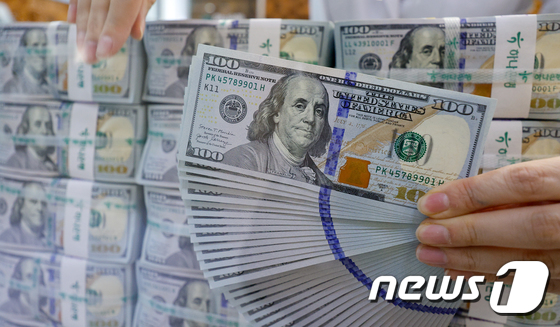
The dollar-won exchange rate, which had climbed to ₩1,512 per dollar during trading, largely retreated as rumors of potential ceasefire talks between the United States and Iran surfaced.
On April 6, the Seoul foreign exchange market reported that the dollar-won exchange rate closed at ₩1,506.3 per dollar at 3:30 p.m up ₩1.1 from the previous trading day.
The dollar-won rate, which had initially risen by ₩5.1 to ₩1,510.3 per dollar and peaked at ₩1,512.70 per dollar in the morning, saw its upward momentum partially ease following speculation about possible ceasefire negotiations between the U.S. and Iran.
According to a report by Axios, a U.S. media outlet, both sides are discussing a potential ceasefire that could last up to 45 days.
The report outlines a two-phase negotiation structure. The first phase would involve a ceasefire of approximately 45 days to halt hostilities, during which time the parties would work on negotiating a permanent end to the conflict.
The second phase aims to reach an official agreement to end the war, with the possibility of extending the ceasefire if necessary.
Axios reported that negotiations are being facilitated by mediator countries including Pakistan, Egypt, and Turkey, with informal contacts also occurring between a U.S. special envoy and Iran’s foreign minister.
The KOSPI’s 1.36% gain at closing and foreign investors’ net selling of just $106 milllion are also believed to have contributed to the dollar-won exchange rate’s relatively modest increase.