

The history of global dominance closely mirrors the control of energy resources.
Before the advent of machinery, human labor was the primary source of power. China, with its vast population, was undoubtedly the world’s superpower. Medieval Europeans were enthralled by Chinese porcelain and silk.
The invention of the steam engine propelled Britain, with its coal reserves, to global supremacy.
Subsequently, the United States ascended to world leadership by dominating oil resources. Crude oil trades exclusively in USD, giving birth to the term petrodollar.
However, cracks are appearing in the petrodollar system. Iran, controlling the Strait of Hormuz, now charges a 1 per barrel USD passage fee for oil tankers, accepting payment in Chinese CNY or cryptocurrencies.
This signals a potential shift away from the dollar’s dominance in global oil trade.
On April 3, this news triggered a stock market rally in China, with PetroChina Capital’s shares hitting the 10% daily limit. The Chinese market’s enthusiasm reflects the anticipated demise of the petrodollar system.
Analysts unanimously predict an increase in CNY-settled oil and gas transactions, potentially elevating the CNY’s status as a major international currency.
America’s global influence hinges on the dollar’s supremacy. The CNY’s rise could significantly undermine U.S. global dominance.
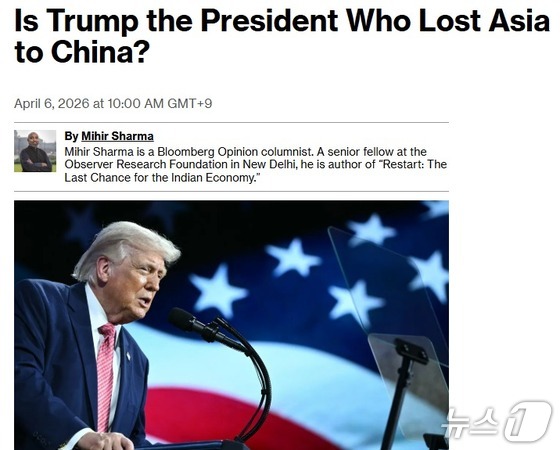
Furthermore, this conflict may cement Donald Trump’s legacy as the president who lost Asia to China.
Bloomberg reported on Monday that as the U.S.-Iran conflict enters its sixth week, Asian nations aligned with China are weathering the storm, while U.S. allies face mounting challenges.
Countries like Pakistan and Nepal, having embraced Chinese solar technology and electric vehicles (EVs), are largely insulated from the oil price surge caused by the U.S.-Iran conflict.
In contrast, South Korea and Japan are grappling with the economic fallout of skyrocketing oil prices.
Consequently, developing Asian nations are increasingly likely to pivot towards China.
When weighing Xi Jinping’s predictable mercantilism against Trump’s erratic, self-centered, and chaotic leadership, the choice seems clear.
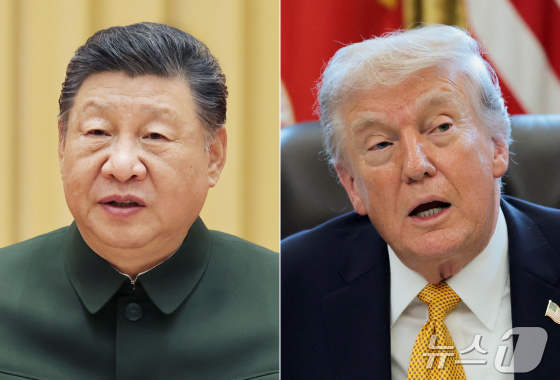
A U.S. withdrawal from Iran without securing the Strait of Hormuz could catalyze a global shift towards China, far beyond mere reputational damage.
While Trump aspires to be remembered as the president who restored American greatness, Bloomberg suggests he may instead go down in history as the leader who ceded Asia to China.
Trump risks being remembered not only as the president who lost Asia but also as the one who handed over U.S. global leadership to China.