

President Donald Trump has set a deadline of April 7 for Iran to accept a peace proposal, with the administration warning of significantly escalated strikes if no agreement is reached. The warning came through a social media post and a Wall Street Journal interview, in which the U.S. president threatened to target power plants and bridges across Iran if the country continues to block the Strait of Hormuz.
Iran shows no signs of backing down. The country’s culture minister dismissed the ultimatum, calling the U.S. president unstable and contradictory. The Islamic Revolutionary Guard Corps continues to strike U.S. and Israeli infrastructure in the region, including oil facilities in Haifa, Israel. Lebanese militant group Hezbollah and Yemen’s Houthi rebels have joined the offensive.
As prospects for a negotiated settlement remain uncertain, analysts warn that a prolonged conflict could intensify U.S. pressure on allies to contribute militarily to Strait of Hormuz security. The U.S. president has argued that nations heavily reliant on oil imports through the strait should take responsibility for normalizing it, rather than leaving the burden to the United States.
An Inha University professor noted that the U.S. has so far been testing allies’ reactions by hinting at troop deployment demands. If negotiations with Iran continue to stall, the professor warned, direct military involvement requests could follow — placing key allies at a critical diplomatic crossroads.
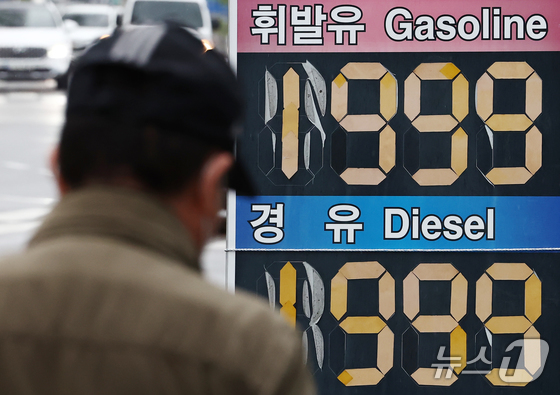
Analysts warn that a prolonged conflict will drive energy prices higher and further destabilize global supply chains. The Middle East accounts for a significant share of global oil exports, and a sustained Strait of Hormuz blockade would have wide-reaching economic consequences. Experts caution that normalizing the energy supply chain could take at least six months even under current conditions, with sharper price increases expected if the conflict escalates further.
If the war expands into ground combat, additional U.S. military assets could be redirected to the region. Reports indicate that some air defense systems, including Patriot PAC-3 and Terminal High Altitude Area Defense batteries, have already been repositioned to the Middle East. Analysts warn that increased U.S. involvement in the region could trigger a structural shift toward a more limited and flexible U.S. military role in East Asia over the long term.