

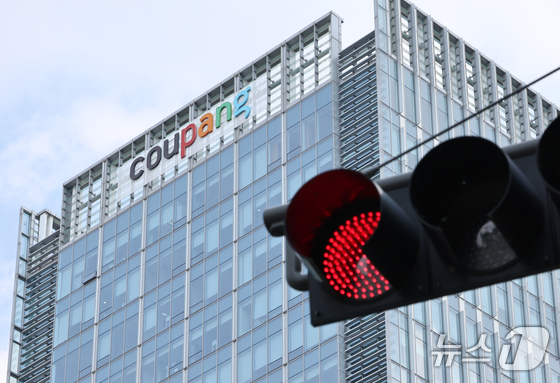
The U.S. Congress has characterized South Korean government regulations on Coupang as a discriminatory attack, sparking concerns about potential fallout. Industry experts warn that retaliatory tariffs and trade pressures could have far-reaching consequences, affecting various sectors beyond e-commerce.
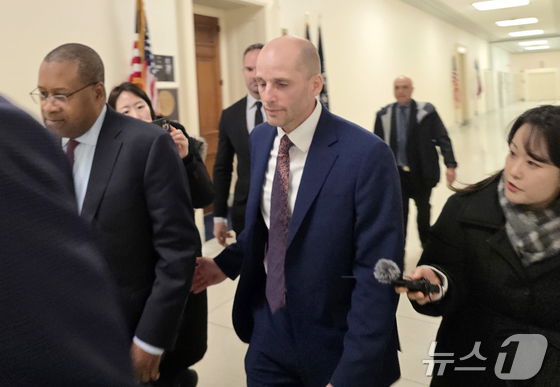
Industry sources reported on July 5 that the House Judiciary Committee released a report on July 1 titled, South Korea’s Discriminatory Attacks on U.S.-Owned Companies: Eroding Competition. Following testimony from Coupang Chief Executive Officer (CEO) Harold Rogers in February, more than half of the report focuses on issues related to the e-commerce giant.
The congressional report alleges that the South Korean government has launched a whole-of-government assault against Coupang. It claims that since last November, South Korean agencies have simultaneously conducted 40 investigations, issued 4,229 document requests, and carried out 652 employee interviews.
The report’s release coincides with the Korea Fair Trade Commission’s initiation of sanctions against Google for its app market practices, further intensifying industry concerns. The antitrust watchdog is reviewing allegations that Google entered into most favored nation agreements with game developers. Given the related revenue, potential fines could reach up to 850 billion KRW (approximately 554 million USD).
The report also catalogues various regulatory actions South Korea has taken against U.S. companies since the early 2000s, labeling measures against Microsoft (2005) and Google (2021) for alleged market dominance abuse as punitive actions targeting American firms.
Industries Heavily Reliant on U.S. Exports Cannot Rule Out Tariff Retaliation
Industry analysts suggest that this congressional document could escalate beyond mere criticism to actual trade pressures.
In March, the U.S. Trade Representative (USTR) launched a Section 301 investigation into the adequacy of forced labor import bans across 60 economic zones, including South Korea. While separate from the Coupang issue, this move illustrates how the U.S. can reframe non-tariff barriers or competitive conditions for its companies as trade disputes.
The Ministry of Trade, Industry and Energy reports that South Korea’s exports in June hit 102.3 billion USD, a 70.9% year-on-year increase, driven by the semiconductor cycle. This positions South Korea as the fourth country globally, after Germany, China, and the U.S., to surpass 100 billion USD in monthly exports. Experts caution that this export momentum could face challenges. They also urge the South Korean government to improve regulatory predictability and engage in more proactive dialogue.
An industry insider expressed concern, stating that the U.S. is already considering an additional 12.5% tariff on South Korean products, citing inadequacies in forced labor import restrictions. This report raises the specter of retaliatory tariffs potentially impacting key export-oriented sectors such as automobiles, semiconductors, and agricultural products.