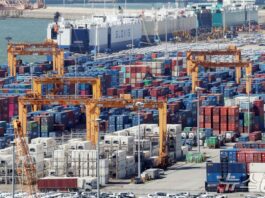
As U.S. sanctions against Iran expand beyond the country itself to target third-party networks connected to Iran, attention is turning to the potential impact on domestic companies. While South Korea’s direct trade with Iran is limited, analysts suggest that domestic firms linked to Chinese supply chains and Middle Eastern logistics and financial routes should examine how sanctions might affect their entire supply chain, including payments, procurement, and transportation.
A key variable is the extent to which the U.S. will designate additional Chinese banks, trading companies, and shipping lines for sanctions. Rather than immediate direct impacts, companies need to monitor the potential ripple effects of sanctions, such as payment delays, changes in procurement sources, and increased shipping and insurance costs.
Sanctions Target Networks Beyond Iran
According to a U.S. Treasury Department announcement on Tuesday and foreign media reports, the U.S. stated it would apply secondary sanctions to third-country companies and individuals who trade or support Iran in five areas: digital assets, technology, gold, aviation, and shipping. The U.S. also designated about 60 new entities, individuals, and vessels worldwide for sanctions, accused of aiding Iran’s nuclear and missile technology acquisition, cyber operations, and oil revenue generation.
This move is interpreted as an attempt to sever the logistics, financial, and technological networks enabling Iran’s oil exports and technology procurement. While major Chinese banks or companies were not immediately added to the sanctions list, the U.S. warned that China, Iran’s largest trading partner, would not be exempt. The possibility of a grace period for terminating transactions with Iran was mentioned, but no specific deadline was provided.
Third-Country Routes More Critical Than Direct Trade
The immediate direct impact on the South Korean economy is likely to be limited, as transactions with Iran have already been curtailed due to U.S. sanctions and financial settlement constraints. However, the risk of indirect connections to Iran-related transactions through Chinese suppliers, Middle Eastern trading companies, global shipping and insurance companies, and dollar settlement networks remains a separate concern.
If Chinese suppliers or parent companies dealing with domestic manufacturers are sanctioned for involvement in Iran’s technology and material procurement or oil trade, it could disrupt contract fulfillment, payment settlements, and alternative procurement. If shipping companies, vessels, or insurers transporting Iran-linked cargo are designated, it could lead to detour shipping, vessel shortages, and increased insurance premiums and freight rates.
Lee Dae-ki, a senior research fellow at the Korea Institute of Finance, analyzed that the U.S. secondary sanctions target not only companies directly trading with Iran but also third-country companies and financial institutions that assist or connect with such trade. He advised domestic companies to closely examine the end-users, beneficial owners, settlement banks, and transportation routes of their third-country trading partners, particularly in China.
Focus on Potential Spread to Chinese Financial Sector
The future impact will largely depend on whether subsequent U.S. measures directly target Chinese financial institutions. If Chinese banks or trading companies are included in the sanctions list, the Iran sanctions could escalate into a U.S.-China economic and financial conflict.
Professor Kim Tae-bong of Ajou University’s Department of Economics warned that if sanctions targeting Chinese financial institutions are implemented more strongly than expected, the underlying U.S.-China tensions could surface in the economic and financial sectors. He noted that South Korea, with its close trade ties to China, could see impacts on exports. Additionally, if Middle East uncertainties lead to oil supply disruptions through the Strait of Hormuz, it could increase pressure on oil prices and inflation.
However, Professor Kim added that based on the current announcement, which mentions a correction period, leaving room for negotiation with Iran, it’s difficult to conclude that sanctions will immediately lead to the worst-case scenario.
Concerns Over Logistics and Energy Cost Transfer
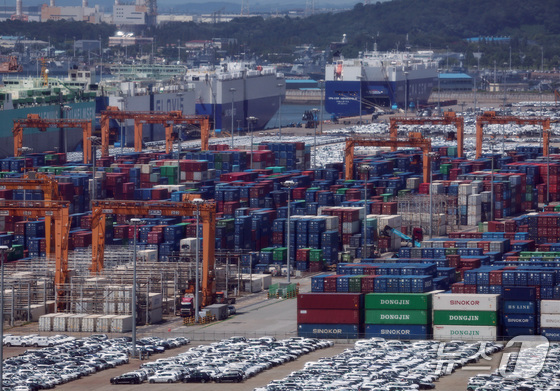
It’s crucial to monitor whether sanctions will lead to a contraction in shipping, aviation, and insurance networks or energy supply instability in the Middle East region. If these trends materialize, even companies without significant direct trade with Iran could be affected by rising freight rates, insurance premiums, and raw material procurement costs.
Hong Sung-wook, a senior researcher at the Korea Institute for Industrial Economics and Trade, pointed out that if the strengthened sanctions against Iran spread to maritime logistics and energy supply instability, even South Korea, with its low direct trade share, would find it difficult to avoid increases in freight, insurance, and raw material procurement costs. He emphasized the need for energy import diversification and supply chain risk management.
An official from the Ministry of Industry and Trade stated that they are closely monitoring the details of the U.S. announcement and its actual implementation trends, and will continue to assess the impact on domestic industries and companies.
Speed of Transition from Warning to Designation
The key factors are the subsequent designation lists and enforcement criteria of the U.S. Treasury’s Office of Foreign Assets Control (OFAC). The perceived risk for domestic companies will depend on whether Chinese and Hong Kong banks, trading companies, shipping lines, and vessels are actually included in the list, and to what extent dollar settlement restrictions and insurance/reinsurance limitations are applied.
As the U.S. did not impose immediate blanket sanctions on major countries or financial institutions in this measure, it’s premature to determine the immediate impact. However, if the number of sanctioned entities increases in the future, the risks could spread beyond direct transactions with Iran to procurement, settlement, and logistics costs for domestic companies.