

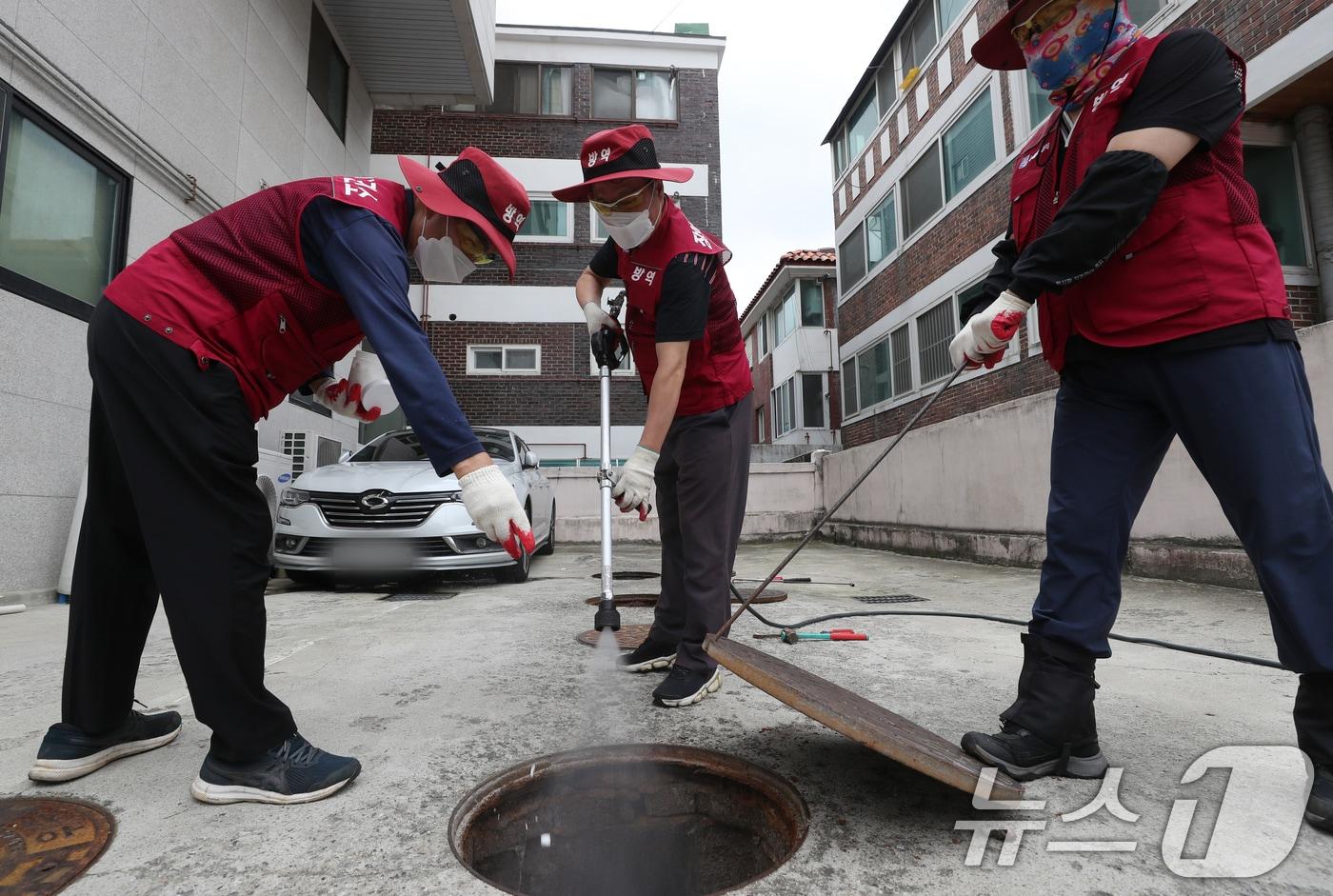
The risk of mosquito-borne infectious diseases is increasing due to the full-scale heatwave.
In Daegu, South Korea, the number of mosquitoes has surged due to the hot weather, raising the risk of malaria exposure.
According to Daegu City and the South Korea Disease Control and Prevention Agency, the density of malaria-carrying mosquitoes, specifically Anopheles sinensis, is at 10.4 per trap, nearly double the average of 5.5 per trap in previous years.
Malaria shows a high incidence every July and August, so caution is needed in the Daegu area.
If infected, the incubation period can last from 14 days to over a year. Early symptoms include high fever, chills, and fatigue, appearing in cycles of 48 hours. Later, symptoms like headache, nausea, and diarrhea may occur.
Japanese encephalitis and dengue fever are also transmitted by mosquitoes, making it crucial to follow preventive measures to avoid mosquito bites.
Daegu City recommends avoiding outdoor activities at night, using mosquito repellents, and installing screens and mosquito nets when sleeping in mosquito-active areas as preventive measures.
Kim Shin Woo, head of Daegu’s Infectious Disease Control Support Division, emphasized, “It’s crucial to avoid mosquito bites. When traveling to malaria-risk areas such as Southeast Asia, Africa, and South America, it is advisable to consult a doctor and take preventive medication starting two weeks before departure.”