

Korea’s technology-special listing program was once seen as a dream ticket for biotech startups. The system allowed companies with limited revenue to list on the KOSDAQ market based on technological competitiveness and growth potential alone. Companies such as Alteogen secured substantial research and development (R&D) funding after going public under the program, enabling them to pursue global drug development and grow into major biotech firms with multi-billion-dollar valuations. However, some companies failed to demonstrate commercialization, technology-transfer deals, or meaningful clinical progress after listing, ultimately facing trading suspensions, delisting procedures, or designation as companies under management. The outcomes have underscored that a technology-special listing is not a guarantee of success. With KOSDAQ delisting requirements set to become stricter in July, evaluations of technology-special listed companies are expected to become more rigorous. Industry observers, however, argue that improvements to post-listing management are also needed given the lengthy timelines required to generate business results in the pharmaceutical and biotech sectors.
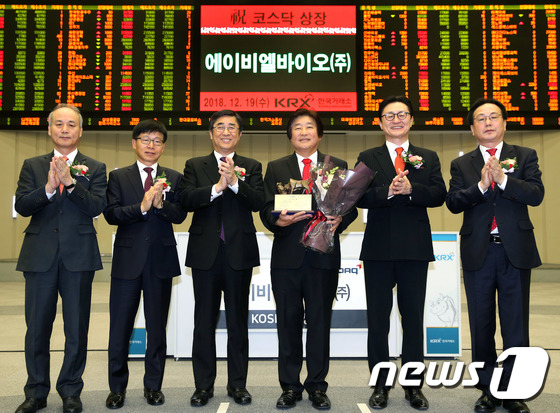
According to industry sources on June 16, the technology-special listing system allows companies to list on the KOSDAQ market even if they do not meet profitability requirements, provided they can demonstrate technological competitiveness. Although introduced in 2005, use of the system expanded rapidly among biotech startups beginning in 2015. For drug developers facing substantial R&D costs, it served as a critical growth pathway. Notable success stories include Alteogen, LigaChem Biosciences, ABL Bio and Peptron. Alteogen leveraged its ALT-B4 hyaluronidase platform technology to sign multiple agreements with global pharmaceutical companies and has grown into one of Korea’s largest biotech firms by market capitalization. The company currently ranks first on the KOSDAQ market with a market value of approximately $13.4 billion. LigaChem Biosciences used its antibody-drug conjugate (ADC) platform to secure a series of global licensing deals, helping it grow into a company valued at roughly $3.7 billion and rank among the top biotech firms on KOSDAQ. ABL Bio expanded partnerships with global drugmakers through its bispecific antibody platform and has reached a market capitalization of approximately $4.1 billion. These companies significantly increased their value through major licensing agreements and clinical-development progress after listing. Rather than remaining solely R&D-focused enterprises, they demonstrated commercial potential through technology transfers and global collaborations, contributing to the broader growth of Korea’s biotech industry.
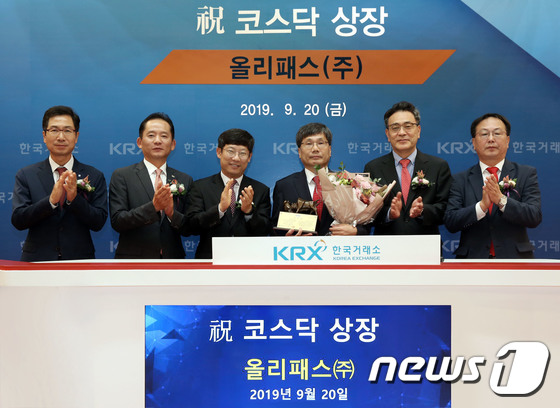
Not every company benefited equally from the system. Some firms struggled after listing, failing to produce meaningful clinical achievements or commercialization outcomes. Once viewed as a promising platform-technology company, Cellivery is now undergoing delisting procedures following management uncertainty and accounting-related issues. PharmAbcine received a delisting decision amid financial difficulties and clinical-development delays. Olipass has also faced prolonged losses and deteriorating finances, resulting in management-designation status and delisting risks. While the technology-special listing system may validate a company’s technological capabilities, it does not guarantee effective corporate management, financing, or R&D execution after listing. Regulators are increasingly focusing on post-listing performance. “Listing itself used to be the primary catalyst for higher valuations, but now investors are focused on what companies can deliver after going public,” a biotech investment professional said. “The market places greater importance on licensing deals, clinical progress and commercialization potential than on platform technology alone.”

The tightening of KOSDAQ regulations is intended to remove underperforming companies from the market. The move is also seen as an effort to prevent so-called zombie companies from becoming vehicles for unfair trading practices by speculative investors. Industry participants generally support that objective and acknowledge the need for companies to strengthen their technologies, improve business performance and build credibility. At the same time, they argue that additional measures are needed to support listed biotech firms. Because drug development typically requires at least a decade from discovery to commercialization, more flexible standards for maintaining listing status may be necessary. “Under the current framework, technology-special listed companies effectively need to identify revenue-generating products within two years of listing in order to maintain their status,” a biotech industry official said. “That means capital raised through an IPO may be directed toward short-term revenue opportunities rather than innovative technology development, which runs counter to the original purpose of the technology-special listing system.” The official added that policymakers and financial regulators should help preserve growth pathways for Korean pharmaceutical and biotech companies by fostering a capital-market ecosystem that supports long-term competitiveness. “Follow-up management systems tailored to the industry are needed,” the official said. “Evaluation criteria should consider factors such as maintaining clinical-development programs and patent portfolios, rather than focusing primarily on revenue generation.”