Although several years have passed since the COVID-19 pandemic was effectively declared over, the World Health Organization continues to warn of future pandemic threats. The WHO and the Global Preparedness Monitoring Board have repeatedly argued that many countries remain insufficiently prepared to respond to major infectious disease outbreaks.
South Korea significantly strengthened its vaccine and therapeutic development capabilities following COVID-19. However, industry experts say the country still faces challenges in securing platform technologies and foundational innovations comparable to those possessed by major global pharmaceutical companies.
While the domestic vaccine industry demonstrated strong manufacturing capabilities during the pandemic, analysts note that additional investment is needed to ensure long-term commercial viability and sustainability.
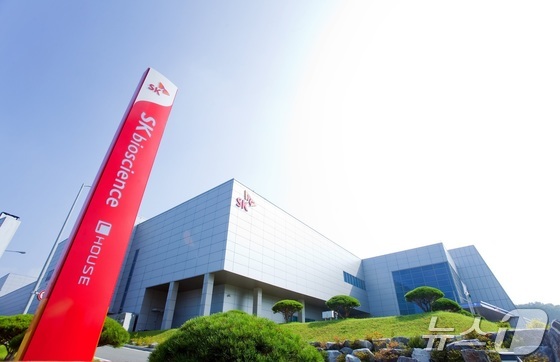
Future pandemic preparedness is expected to extend beyond vaccine production capacity to include AI-driven drug discovery, infectious disease diagnostic platforms, and resilient global supply chains. Within South Korea, many industry observers point to SK Bioscience as a key player in that effort.
According to industry sources on June 17, SK Bioscience demonstrated the capabilities of South Korea’s vaccine sector during the COVID-19 pandemic by commercializing its domestically developed vaccine, SkyCovione. The achievement was notable because the company managed the entire development process—from candidate discovery and clinical trials to regulatory approval and commercialization—rather than serving solely as a contract manufacturer.
The company has continued investing in infectious disease preparedness since the pandemic. It is currently collaborating with Merck & Co. on the development of a next-generation Ebola vaccine and is participating in a government-supported project to develop a cell-culture-based H5N1 avian influenza vaccine.
More recently, SK Bioscience signed a licensing agreement with the Centers for Disease Control and Prevention to develop an injectable rotavirus vaccine.
Its extensive global partnership network is also viewed as a competitive advantage. The company has established collaborations with organizations including Coalition for Epidemic Preparedness Innovations, the Bill & Melinda Gates Foundation, the U.S. CDC, MSD, and Sanofi.
SK Bioscience has also partnered with Colombia’s state-owned pharmaceutical company VECOL to help establish vaccine manufacturing capabilities in Latin America, aligning with WHO efforts to expand regional vaccine production capacity.
On the supply side, the company has secured WHO prequalification (PQ) certifications for several vaccines, enabling participation in procurement programs run by international organizations such as UNICEF and Pan American Health Organization. This means the company is building capabilities not only to develop vaccines but also to distribute them globally.

Securing Future Growth Drivers
Maintaining long-term investment in infectious disease preparedness requires a stable business foundation. For that reason, industry observers are closely watching SK Bioscience’s jointly developed 21-valent pneumococcal conjugate vaccine with Sanofi.
Pneumococcal vaccines represent one of the largest segments of the global vaccine market. The company plans to cultivate the project as a major growth engine while reinvesting future revenues into next-generation vaccine research and development.
SK Bioscience was also recently selected as a recipient of support from the government-backed National Growth Fund, a move widely viewed as recognition of its future growth potential.
An industry official said that since COVID-19, the focus of global health authorities has shifted from identifying the next infectious disease threat to determining which organizations can respond most rapidly when one emerges.
“Few countries possess integrated capabilities spanning research and development, manufacturing, and supply chains,” the official said. “As a result, the role of South Korean companies is becoming increasingly important.”
The official added that vaccine platform technologies are becoming more valuable from a global health security perspective and that the ability to develop countermeasures against emerging threats such as Ebola and H5N1 avian influenza could become a key driver of corporate value in the future.