

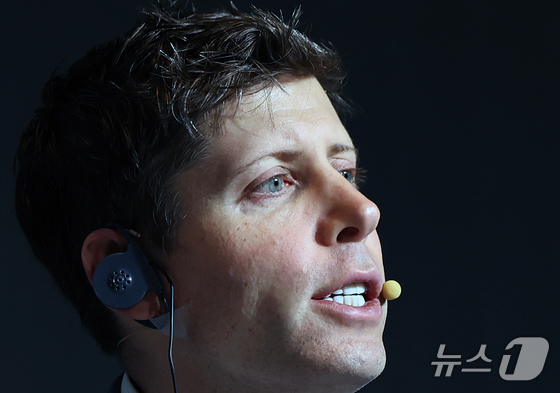
OpenAI CEO Sam Altman has sparked a debate after posting on his X account urging users to stop using phrases like Please and Thank You when interacting with the generative AI chatbot ChatGPT.
Altman’s post came in response to a user on X who wondered about the electricity costs associated with people repeatedly saying Please and Thank You to ChatGPT. The CEO revealed that such interactions generate tens of millions of dollars in electricity bills for OpenAI.
He went on to explain that as users increase the number of words in their requests or make more frequent inquiries, the servers must process larger amounts of data, resulting in higher power consumption.
Even a simple expression of gratitude like Thanks for the Answer prompts ChatGPT to respond with pleasantries such as You’re Welcome, I’m Always Here to Help, contributing to increased energy usage.
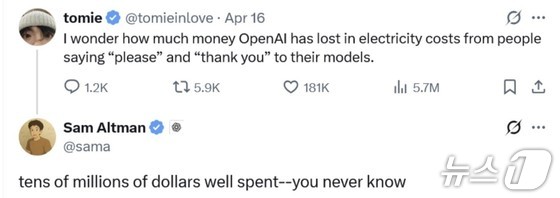
Despite this revelation, many users continue to interact politely with AI chatbots. A recent survey by Future PLC found that 67% of Americans maintain courteous communication with chatbots. Among these polite users, 55% cited moral reasons for their behavior, while 12% admitted to being polite out of concern that AI might someday rebel.