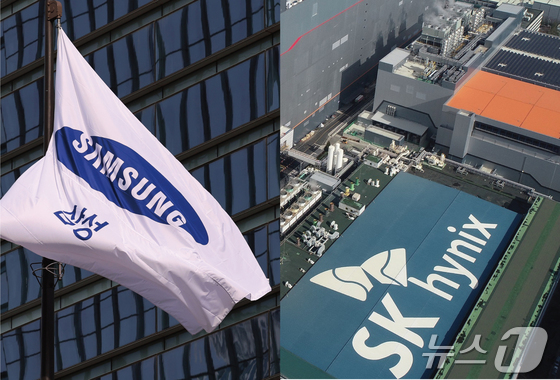
Samsung Electronics and SK Hynix have achieved record-breaking results in the artificial intelligence (AI) memory supercycle, leading both companies to boost shareholder returns. This signals a shift in the semiconductor industry’s capital policies. While previous boom periods saw aggressive capital expenditures (CAPEX), the AI era is expected to bring a new structure balancing investment and shareholder returns, underpinned by stable cash flows from long-term supply agreements (LTAs).
Both Companies Hint at Expanded Shareholder Returns’ During IR Calls
On August 2, industry sources revealed that Samsung Electronics, during its Q2 earnings call on July 30, committed to fulfilling its three-year shareholder return policy. The company disclosed that its board and management are actively discussing ways to implement shareholder returns, including special dividends. Samsung also mentioned ongoing reviews of its next shareholder return policy, aiming to strike a balance between enhancing shareholder value and future investments.
Similarly, SK Hynix emphasized during its conference call that it aims to balance timely investments for structural growth opportunities in the AI era with shareholder returns. The company is exploring various methods for shareholder returns and plans to announce a new policy soon. However, due to ongoing regulatory procedures related to American Depositary Receipts (ADRs), specific details will be disclosed later.
Market analysts interpret these simultaneous mentions of expanded shareholder returns as a clear signal that both companies are prepared to return substantial cash accumulated during the AI boom to their shareholders.
Samsung Considers Special Dividends; SK Hynix Hints at New Return Policy
Securities firms are leaning towards the possibility of Samsung Electronics implementing special dividends and share buybacks or cancellations.
Eugene Investment & Securities estimates that if Samsung maintains its current policy of returning 50% of free cash flow (FCF) until year-end, it could result in approximately 120 trillion KRW (about 83.9 billion USD) in shareholder returns. They project this to be the largest shareholder return in Samsung’s history.
Notably, the next three-year shareholder return policy, set to be announced early next year, may increase the current return ratio beyond 50% of FCF.
DS Investment & Securities calculates that Samsung could access an additional 131.8 trillion KRW (about 92.1 billion USD) for returns. They suggest that allocating just 15% of this for special dividends would significantly enhance dividend appeal, while a 40% allocation could yield about 4.5% for common stock and over 6% for preferred shares.
Analysts expect SK Hynix to announce a new shareholder return policy in Q4, likely including dividend increases and share buybacks or cancellations.
LTAs Reshape Memory Industry: Balancing Investment and Returns
The current shareholder return expectations differ from the past, as improved performance from AI investments is seen as a long-term trend rather than a temporary boom.
Historically, memory companies faced cyclical downturns due to oversupply following boom-time investments. However, surging demand for AI server memory is expanding long-term supply agreements with major tech firms. This enhances cash flow predictability, as contracts now include minimum purchase quantities and supply conditions.
Analysts believe these changes allow companies to maintain investment capacity while expanding shareholder returns. Han In-jun from Eugene Investment & Securities notes that higher prices boost performance, LTAs ensure sustainability, and shareholder returns increase per-share value. He predicts that competition for shareholder returns among memory companies will drive up stock prices and valuations.
Chey Tae-won’s 4.9 billion KRW Share Purchase: A Signal for Shareholder Value
SK Group’s recent actions align with this trend. On July 30, SK Group Chairman Chey Tae-won purchased about 4.9 billion KRW (about 3.4 million USD) worth of SK Hynix shares with personal funds, his first direct purchase of the company’s stock.
Notably, the purchase amount falls just shy of the 5 billion KRW (about 3.5 million USD) threshold that would trigger insider trading disclosure requirements. This strategic move allows for an immediate message of responsible management without prior disclosure.
Industry insiders view this direct purchase as a symbolic gesture of confidence in the company’s value and an acknowledgment of perceived stock undervaluation. If followed by special dividends, share buybacks, and dividend increases, it could catalyze a reevaluation of memory companies’ corporate value, going beyond mere shareholder returns.