

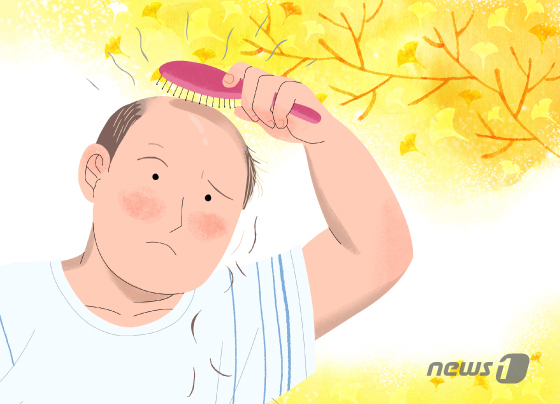
Hair loss has long been considered a concern for middle-aged adults, but it is increasingly affecting younger generations in their 20s and 30s, with growing awareness that early prevention is important.
Even Without Symptoms, Nearly Half of Millennials Recognize the Need for Preventive Care
According to a recent survey by market research firm Embrain Trend Monitor released on May 4, more than 92% of respondents in their 20s and 30s agreed that hair loss is no longer just a middle-aged issue. The survey included 1,000 South Korean men and women aged 19 to 59.
While 31.7% of respondents reported having experienced hair loss symptoms, 46.9% said they believed in the importance of preventive care, even without symptoms. Notably, 60% of people in their 20s and 30s expressed interest in preventing hair loss, indicating a strong desire for early management among younger generations.
This trend reflects the increasing number of young individuals experiencing hair loss, as well as growing anxiety and stress related to it, especially about employment, dating, and marriage. These pressures are leading more young people to recognize the value of early intervention.
Among those experiencing hair loss, 6 out of 10 reported psychological stress or anxiety. In addition, 69.4% said they felt less confident about their appearance, while 62.8% noted a decline in self-esteem.
As a result, more people seek treatment and scalp care, with younger age groups showing greater engagement in taking hair loss medications or visiting hair loss clinics for consultations.
Roughly 90% of Alopecia Cases Are Genetic—While Not Curable, Stopping Treatment Can Cause Relapse
In medical terms, hair loss refers to the absence of hair in areas where it should normally grow. It includes cases where the hair becomes thinner or falls out in specific regions. Hair loss is categorized into types where hair follicles are preserved (such as alopecia areata) and types where follicles are not maintained.
Professor Kwon Oh Sang of the Department of Dermatology at Seoul National University Hospital explained, “About 85 to 90 percent of alopecia cases are genetic, primarily caused by a combination of genes, aging, and male hormones. As the population continues to age, the number of people with hereditary alopecia is also rising.”
Other contributing factors include obesity, extreme dieting, Westernized eating habits, and smoking.
Kwon advised that signs such as an unusually oily scalp or unusually smooth combing may indicate early hair loss. In the early stages, hair on the crown and hairline becomes thinner, follicles shrink, and sebaceous glands enlarge, producing more oil.
Hospitals diagnose hair loss based on scalp condition, hair thickness, and density. A scalp biopsy may also be performed to check follicular health.
Although complete recovery from hereditary alopecia is difficult, early diagnosis and appropriate treatment can help slow its progression or improve the condition. Therefore, seeking expert diagnosis and care is crucial at the first sign of symptoms.
Frequent Washing Does Not Cause Hair Loss—Balanced Lifestyle and Weight Management Are Key
Kwon stated, “During the active growth phase, hair grows about 1 cm per month, so medication needs to be continued for at least six months to see meaningful regrowth. Because hair loss treatment is often lifelong, stopping medication can lead to relapse.”
He also corrected common myths about hair loss, noting, “The belief that frequent hair washing causes hair loss is incorrect. Losing fewer than 100 hairs a day is normal. Regular shampooing helps maintain scalp and hair hygiene and may aid in preventing hair loss.” However, he cautioned against using harsh shampoos or hot water.
Experts recommend maintaining a balanced diet, a regular lifestyle, and a healthy body weight to help prevent hair loss. Rapid weight loss or obesity can have negative effects, so regular exercise and weight control are important. A diet high in fat and sugar should also be avoided.
Irregular sleep patterns may increase the risk of telogen effluvium (temporary hair loss), so going to bed and waking up at consistent times is beneficial. Smoking and drinking, which cause oxidative stress and accelerate aging, can also harm hair health. For this reason, avoiding tobacco and alcohol is strongly advised.