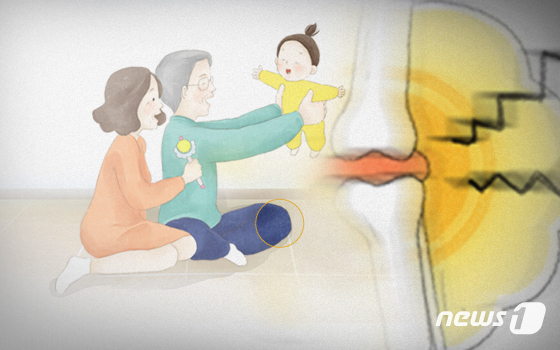
While watching grandchildren grow brings great joy, many elderly individuals in Korea continue to take on the demanding task of late-life childcare, which can be physically, mentally, and socially burdensome. As Family Month unfolds, it’s important to consider how to protect the health of elderly parents providing care while ensuring children are properly looked after.
These days, it’s common to see grandparents out with young children. With the rise of dual-income households, grandparents often step in to care for grandchildren. However, the grandparents’ health must come first to care for the children well.
Medical professionals say health checkups are increasingly considered a meaningful gift. Selecting and managing essential tests for the early detection and prevention of chronic diseases is a proactive way to support your parents’ well-being.
Leading causes of death among people over 60 include cancer, heart disease, cerebrovascular disease, liver disease, pneumonia, and Alzheimer’s disease. As part of basic screenings, upper endoscopy is recommended every two years starting at age 40, often alongside abdominal ultrasound. Colonoscopy is typically advised every 3–5 years from age 50 (or every 1–2 years for patients with a polyp removal history).
Dr. Jeong Hwi Soo, a family medicine specialist at H+ Yangji Hospital, advised, “If your parents have risk factors such as hyperlipidemia, diabetes, or high blood pressure, they should consult a physician and consider a carotid ultrasound to check for cholesterol buildup in the arteries.”
Early Detection Is Crucial for Lung Cancer and Dementia—Elderly Parents Should Not Neglect Their Own Health
Among adults over 60, lung cancer has the highest mortality rate. Unlike gastric or colorectal cancer, which are often detected early, lung cancer tends to be difficult to spot on X-rays. South Korea’s national cancer screening program offers low-dose chest CT scans for high-risk individuals aged 54 to 74.
Early detection is essential, as lung cancer can metastasize rapidly. Long-term smokers, those exposed to secondhand smoke, or individuals with a family history of lung cancer should receive low-dose CT scans every two years. These scans are relatively affordable and involve minimal radiation exposure.

Coronary CT and brain MRA (magnetic resonance angiography) are recommended to assess cardiovascular and cerebrovascular health in parents over 60. The coronary arteries that supply blood to the heart are divided into three main branches, and blockage in even one of them increases the risk of myocardial infarction.
Brain MRA scans can help detect aneurysms and narrowing of brain vessels, both risk factors for strokes and hemorrhages. Treatments such as stents, clips, or coils can be implemented as necessary based on test results.
Dementia can be categorized into Alzheimer’s disease, vascular dementia, and other types (due to alcohol, drugs, or endocrine disorders), with Alzheimer’s accounting for over 70% of cases. Early symptoms include memory loss, disorientation regarding time, place, or people, and difficulties with language and cognition.
As dementia progresses, it can lead to urinary or fecal incontinence, mobility issues, and muscle stiffness. Complications such as pneumonia and bedsores can arise. If any early symptoms are suspected in parents over 60, they should undergo cognitive testing or Alzheimer’s screening through a neurology or psychiatry clinic.
Dr. Jeong emphasized, “Proactive treatment of chronic diseases is essential today. Timely screenings tailored to your parents’ condition are the top priority for preventing illness and maintaining their health.”
Late-life caregiving requires deep understanding and mutual respect between parents and their adult children. Children should ensure their parents get time to relax and relieve stress, at least on weekends. Elderly parents must also avoid neglecting their own chronic conditions and health issues.
Particularly, efforts must be made to prevent health deterioration caused by weight gain. On a societal level, expanding access to reliable childcare services is crucial so elderly caregivers can take breaks and rest.
Having more opportunities to sit down and talk with caregiving parents creates a valuable chance to check their health. Many older adults dismiss symptoms as signs of aging and often hide discomfort out of concern for their children.
By casually asking about meals, daily routines, general well-being, medication, alcohol and tobacco use, mood, and sleep habits, adult children can gain insight into potential symptoms, perhaps catching serious health issues before they progress.