

Each year, nearly 10 million people across the globe lose their lives to hypertension. Often called the “silent killer,” high blood pressure is a leading cause of heart attacks, strokes, and other life-threatening complications—yet it frequently goes undetected, especially among younger adults.
Roughly one in three adults now lives with hypertension. Despite the scale of the issue, many individuals, particularly those in their 20s and 30s, remain unaware of their condition. Experts warn that this lack of awareness can delay critical treatment and increase long-term health risks.
“Younger patients often assume high blood pressure isn’t their problem, and they don’t seek help until something serious happens,” said Dr. Il-seok Son, a cardiologist. “We’ve seen cases where young people arrive at the ER with strokes or heart failure—conditions they never expected to face in their 30s.”
According to recent health data, fewer than 15% of young adults with hypertension are actively managing their condition, compared to over 87% of those over 70. The discrepancy highlights a dangerous blind spot in how Americans approach early intervention.
Symptoms of hypertension—such as headaches, dizziness, or shortness of breath—can be subtle or absent altogether. That’s why doctors stress the importance of routine blood pressure checks, even in young, otherwise healthy individuals.
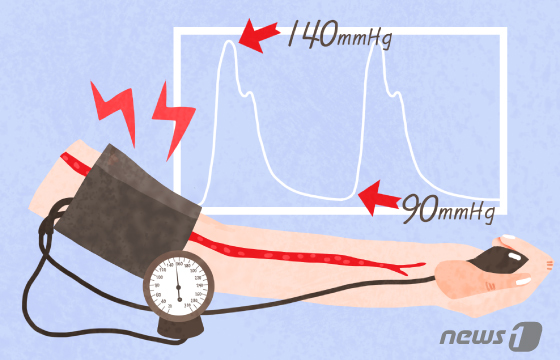
For adults, a consistent reading above 135/85 mmHg at home—or 140/90 mmHg at the clinic—is cause for concern and should prompt a visit to a healthcare provider. Those with a family history of high blood pressure, heart disease, or diabetes should be particularly vigilant.
Hypertension during pregnancy is also drawing increased attention from public health officials, as delayed childbirth and rising obesity rates heighten the risks. If left untreated, high blood pressure can lead to preeclampsia, stroke, and organ damage in mothers, as well as premature birth or low birth weight in infants.
Risk factors for gestational hypertension include first-time pregnancies, maternal age over 35, obesity, preexisting high blood pressure, and a family history of related conditions. Doctors recommend routine prenatal checkups, a balanced diet, regular movement, and, when necessary, safe medications to keep blood pressure under control.
Experts now advise tracking “activity blood pressure,” or how blood pressure shifts throughout the day, for all patients, regardless of age. Wearable cuffs or ring-type monitors can help detect dangerous patterns, such as sharp morning spikes or insufficient drops at night.
“Blood pressure isn’t static,” Dr. Son noted. “It changes depending on your routine, stress levels, and lifestyle. Knowing those patterns helps us treat it more effectively.”
In tandem with medication, daily habits play a major role in managing the condition. Regular aerobic exercise, low-sodium diets, weight loss, quitting smoking, and limiting alcohol consumption are among the most effective strategies.
Digital health tools are also gaining traction. Apps like My Health Records allow users to log medication schedules and track trends in blood pressure and lab results, making it easier to manage chronic conditions.
“The earlier people take hypertension seriously,” Dr. Son said, “the better chance they have of avoiding major complications down the line.”