

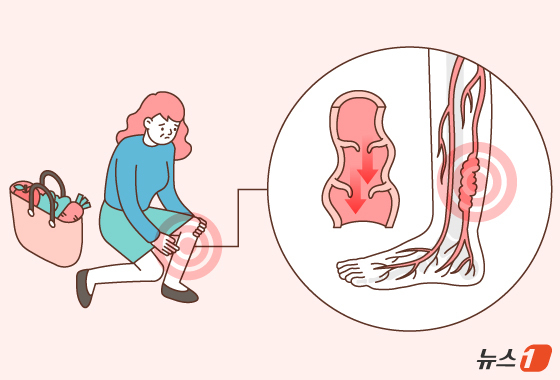
Varicose veins, a common condition observed today, occur when blood flows backward in leg veins, causing them to swell and twist. This ailment is often considered an inevitable consequence of human bipedalism. As it develops during prolonged periods of standing or sitting, it’s crucial not to ignore it and seek timely treatment.
Treatment records date back to ancient Egyptian papyri and the Roman Empire
According to medical experts, historical evidence of varicose veins treatment can be found in various sources, including Hippocrates’ records in ancient Egyptian papyri, Greek sculptures, and surgical records of General Gaius Marius from the Roman Empire.
At its core, this condition stems from blood circulation disorders, primarily affecting individuals in occupations requiring extended periods of standing or sitting. Risk factors also include family history, obesity, and lack of exercise. The medical term for this condition is venous insufficiency, with varicose veins being one of its most prominent symptoms.
Early signs include visible bulging blood vessels in the legs, such as spider or reticular veins. Patients may also experience heavy legs, swelling, fatigue, and nocturnal leg cramps.
Dr. Minsoo Kim, head of vascular surgery at Seonam Hospital in Seoul, explained that people often experience extremely heavy legs at night and frequent cramps during sleep after a day of hiking. He added that varicose vein patients report these discomforts more regularly in their daily lives.
Prolonged standing can lead to a feeling of bursting pressure in the calves. While legs may feel fine in the morning, they can become painful by evening. If left untreated, complications such as skin discoloration or ulcers may develop.
Dr. Sangwoo Park, a Professor of Radiology at Konkuk University Hospital, emphasizes that varicose veins are progressive, making early management crucial. He advises that if leg swelling and fatigue continue, it is better to consult a healthcare professional rather than dismiss them as simple tiredness.

Venous insufficiency cannot be diagnosed solely by the appearance of bulging veins. Ultrasound examination is essential to detect blood reflux accurately. Sometimes, a CT scan of the leg veins may also be necessary.
Thigh vein treatment crucial for addressing root cause; prevention is key
Venous circulation medications can alleviate symptoms in mild cases. Another option involves directly injecting medication to close affected veins. This method is particularly effective for treating conditions like telangiectasia and reticular veins that don’t respond to surgery or conservative treatments.
A common misconception about varicose veins is that treatment focuses on thigh veins when the visible issues are in the calves. While varicose veins appear in the calves, the underlying causes often originate in the thigh veins. Therefore, treating the thigh area is necessary to address the root cause.
Treatment options include surgical procedures, radiofrequency therapy, adhesive treatment, and mechanochemical occlusion. Dr. Park notes that while surgery may involve a slower recovery and potential scarring, it often allows for a quicker return to daily activities. He advised that the appropriate treatment should be selected based on each patient’s specific needs.
Radiofrequency therapy uses heat for treatment but requires multiple anesthetic injections over 15 times, which can be painful. Due to nerve stimulation, patients may experience a tingling sensation. Post-procedure, compression stockings must be worn for about two weeks.
Adhesive treatment doesn’t require expansion anesthesia or compression stockings. However, the treated area may become itchy or reddened, which the medication can manage. Compression stockings may still be necessary if a sclerosing agent eliminates bulging veins in the calves.
Mechanochemical occlusion offers the fastest treatment time. It uses a sclerosing agent to close veins without expansion anesthesia, but patients must wear compression stockings, similar to radiofrequency therapy.
Dr. Kim explained that this condition is an inevitable result of upright posture and daily activities. He advised that while people often overlook mild symptoms, consulting a health care professional and receiving necessary treatment is crucial rather than ignoring the issue.
Regular exercise and healthy lifestyle habits are essential to prevent varicose veins. If you must maintain the same position for extended periods, take breaks every 30 minutes to stretch or move your ankles, promoting blood circulation. Additionally, elevating your legs above heart level while sleeping can be helpful.