

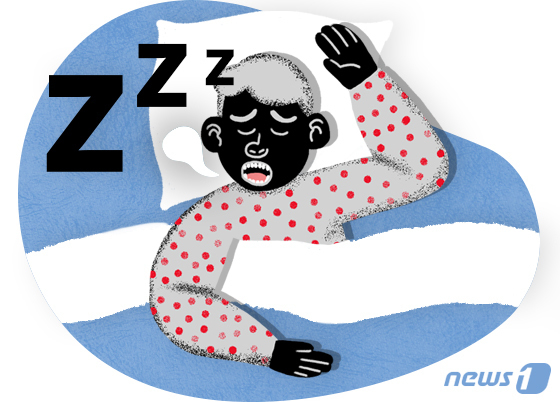
Sleep apnea, a condition in which breathing is disrupted during sleep, has increased approximately 3.4 times over the past five years. The condition is especially prevalent among men in their 30s and 40s and women in their 50s and 60s. As it raises the risk of high blood pressure, stroke, and even sudden cardiac arrest, early diagnosis and treatment are crucial.
According to data released Wednesday by South Korea’s Health Insurance Review & Assessment Service, the number of sleep apnea patients in South Korea rose from 45,067 in 2018 to 153,802 in 2023—a 3.4-fold increase over five years. By age and gender, men in their 40s accounted for the largest share at 21.5%, followed by women in their 60s at 5.3%.
Ahn Sang Hyun, an otolaryngologist at Bundang Jesaeng Hospital, explained, “Sleep apnea tends to become more prevalent with age. About 70–95% of patients exhibit snoring, which occurs when air rapidly passes through narrowed airways during sleep, causing surrounding tissues to vibrate.”
He added, “Young men often visit the clinic after being nagged by their wives about snoring during early marriage, while middle-aged women usually seek help before traveling with friends due to discomfort.”
Snoring Alone Isn’t Enough—Frequent Night Awakenings May Indicate Sleep Apnea
Sleep apnea can result from various factors. Obesity, for instance, causes fat to accumulate around the neck, narrowing the upper airway and weakening the muscles that support it. Age-related increases in neck fat and declines in muscle tone also contribute to the development of this condition.
People with structurally small jaws, short and thick necks, large tongues, or oversized tonsils may also experience sleep apnea due to upper airway constriction. Additionally, alcohol consumption before bed can relax throat muscles, and smoking can irritate the airway, both raising the risk of sleep apnea.
One of the most common symptoms is snoring, which occurs when air vibrates through narrowed airway structures. However, even when snoring is not severe, a bed partner may witness episodes of breathing cessation during sleep.
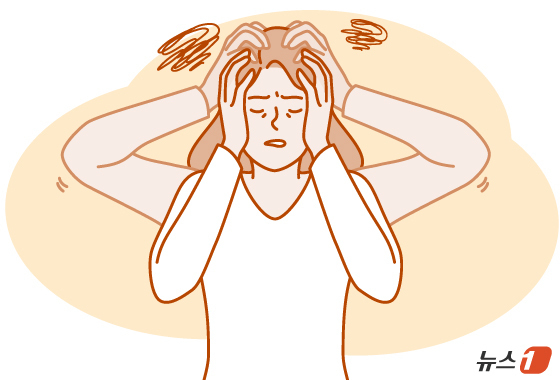
Professor Lee Soo Hyun of the National Health Insurance Service Ilsan Hospital’s neurology department cautioned, “It’s dangerous to judge the presence of a disorder based solely on whether or how loudly someone snores. If you frequently wake up during the night, you should consider the possibility of sleep apnea.”
Lee added, “Frequent nighttime awakenings lower sleep quality, leading to daytime drowsiness, reduced concentration, and memory decline. Poor oxygen supply during sleep can also cause morning headaches.”
CPAP Therapy Recommended—Early Diagnosis Critical Due to Risk of Cardiovascular Disease
If sleep apnea is suspected, patients are advised to complete a questionnaire and undergo a polysomnography (sleep study). This involves an overnight hospital stay in a quiet room where various biometric signals are measured using sensors, and unusual behavior during sleep is monitored via CCTV.
Treatment plans are developed based on these results and are divided into surgical and non-surgical options. Patients are encouraged to manage body fat and address underlying causes through dietary control and strength training. However, because these methods take time, the use of a continuous positive airway pressure (CPAP) device is often recommended.
A CPAP machine involves wearing a nasal mask that continuously supplies air to keep the airway open during sleep. Patients must use it nightly. Those who use it consistently during an initial adaptation period can qualify for health insurance coverage, with prescriptions renewed every three months and adjustments made as needed.
In cases where structural abnormalities of the upper airway are the cause, surgery may be considered. It’s essential to evaluate the blocked areas accurately and widen the nasal and pharyngeal passages. If nasal congestion is also present, identifying and correcting the cause of nasal blockage is essential.
Professor Lee emphasized, “Lifestyle changes can also significantly help alleviate sleep apnea. One study showed that losing just 10% of body weight reduced the apnea index by about 26%. Exercise alone can also be effective.”
Dr. Ahn added, “Sleep apnea causes drowsiness and fatigue, limiting social activity and greatly impacting quality of life. It also increases the risk of cardiovascular and cerebrovascular diseases, so early and accurate diagnosis and treatment are essential.”