

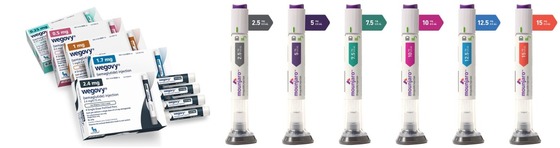
Reports of acute pancreatitis cases have surged in the United Kingdom following the use of GLP-1 class diabetes and obesity treatments. The Medicines and Healthcare products Regulatory Agency (MHRA) has launched investigations, including genetic analyses. Academic studies have produced conflicting results, with some indicating that drug use causes acute pancreatitis while others find no such link.
This year, 123 cases of acute pancreatitis were reported, with 101 linked to Mounjaro and 22 to Wegovy
According to The Guardian and other sources on Monday, the MHRA’s Yellow Card Scheme, which monitors adverse drug reactions, has received 123 reports of acute pancreatitis associated with glucagon-like peptide-1 (GLP-1) medications this year.
Major GLP-1 medications include Mounjaro and Zepbound (active ingredient: tirzepatide), Wegovy and Ozempic (active ingredient: semaglutide), and Saxenda and Victoza (active ingredient: liraglutide). These drugs are prescribed for the treatment of obesity or diabetes, depending on their approved indications.
The Yellow Card Scheme has recorded over 400 cases of acute pancreatitis in total, with 181 linked to tirzepatide. This year’s reports include 101 cases associated with tirzepatide and 22 with semaglutide, totaling 123 cases.
The MHRA noted that as GLP-1 medication use increases, so do reports of acute pancreatitis. Acute pancreatitis is a sudden inflammation of the pancreas, an organ located behind the stomach that plays a crucial role in digestion. Symptoms include severe abdominal pain, nausea, and fever.
The MHRA plans to investigate potential genetic factors contributing to the rise in acute pancreatitis reports following GLP-1 medication use. They will invite participants to join a study conducted by Genomics England’s Yellow Card Biobank.
Eli Lilly, the global pharmaceutical company that developed tirzepatide, emphasized that patient safety is their top priority. They noted that adverse reactions might stem from other factors, including pre-existing conditions. According to the patient information booklet for tirzepatide, acute pancreatitis is an uncommon side effect that may occur in up to 1 in 100 people.
Novo Nordisk, the creator of semaglutide, also stressed the paramount importance of patient safety and its ongoing collection of safety data on GLP-1 medications. They maintain a positive view of the efficacy and safety of GLP-1 medications and welcome new research, such as the MHRA study, that enhances understanding of treatments for patients with chronic diseases.
Opinions Diverge on the Causes of Acute Pancreatitis, Highlighting the Need for Further Research
Various perspectives have emerged regarding whether GLP-1 medications cause acute pancreatitis.
The usage precautions for semaglutide, approved and released in South Korea, include warnings about observed cases of acute pancreatitis, advising caution.
A 2023 study published in the Journal of the American Medical Association (JAMA) analyzed the incidence of acute pancreatitis using a randomized sample of 16 million patients, focusing on gastrointestinal adverse effects associated with GLP-1 receptor agonists for weight loss.
This analysis included groups using liraglutide and semaglutide. The incidence of pancreatitis was found to be 4.6 cases per 1,000 patients for liraglutide and 7.9 cases for semaglutide.
However, a study published in February 2023 in the Multidisciplinary Digital Publishing Institute (MDPI), titled “Risk of Pancreatitis Associated with GLP-1 Receptor Agonists in a Subgroup of U.S. Patients with Type 2 Diabetes without Comorbidities,” yielded different results.
This study analyzed data from approximately 970,000 patients with type 2 diabetes. Using propensity score matching (PSM), researchers compared 81,872 patients using GLP-1 receptor agonists with 81,872 non-users.
The study found no statistically significant differences in pancreatitis risk between the two groups over follow-up periods of 6 months, 1 year, 3 years, and 5 years. The overall risk over the 5 years was lower in the GLP-1 user group.