
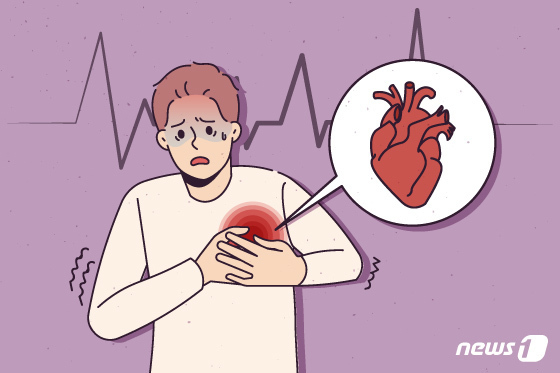
The scorching heat of summer continues. As South Korea remains under a heat wave advisory, the number of people visiting emergency rooms for heat-related illnesses is surging at an alarming rate.
Because the symptoms of heat-related illnesses often resemble those of acute myocardial infarction and other severe conditions, such as headaches and muscle cramps, extra caution is required.
Heat-related illnesses are acute conditions caused by prolonged exposure to high temperatures. Symptoms include headaches, dizziness, muscle cramps, fatigue, and loss of consciousness. If left untreated, they can become life-threatening. These symptoms can also mimic the early signs of acute myocardial infarction, making it easy to miss the window for appropriate treatment.
When exposed to intense heat, the body tries to maintain internal stability by dilating blood vessels and lowering blood pressure, which places additional strain on the heart. In summer, frequent sweating can lead to dehydration, increasing blood viscosity, and making it easier for blood clots to form. Once formed, these clots are difficult to dissolve naturally and can suddenly block blood vessels, so vigilance is essential.
Acute myocardial infarction occurs when a blood vessel that supplies oxygen and nutrients to the heart suddenly becomes blocked. Since the outcome greatly depends on how quickly treatment is administered, every second counts. It is a medical emergency where every second counts during the golden hour, and individuals should call emergency services immediately upon experiencing symptoms.
Choi Seong Jun, a cardiologist at Noksaek Hospital, explained that acute myocardial infarction can occur without warning and may result in sudden cardiac arrest and death if severe.
It’s a myth that heart attacks only happen in winter… Summer cases are also common
While myocardial infarctions are commonly thought to occur mainly in winter, this is a misconception. Experts stress the importance of remaining alert in summer as well. According to the Health Insurance Review and Assessment Service, in July 2022, there were 32,914 cases, and in August, 33,532 cases—figures comparable to the 34,492 cases in December 2021 and 32,203 in January 2022, the peak of winter.
Typical symptoms of myocardial infarction include a squeezing chest pain, shortness of breath, or tightness in the chest. Cold sweats, pale complexion, indigestion, or a choking sensation in the throat may also occur. If the pain persists for more than 10 minutes, it is critical to visit a hospital immediately for examination and treatment. Receiving treatment within two hours is crucial—any longer, and the condition may become life-threatening.
Professor Byun Jae Ho of the Department of Cardiovascular Medicine at Catholic University’s Incheon St. Mary’s Hospital emphasized that about half of myocardial infarction patients do not show any noticeable symptoms beforehand, and the condition often goes undetected even during routine checkups. Therefore, proper daily health management and prompt diagnosis and treatment are essential.
Seek medical help immediately if chest pain lasts more than 10 minutes… Managing chronic conditions and quitting smoking are crucial
Treatment generally falls into three main categories: procedures, medications, and surgery. Among these, procedures are most commonly used due to their ability to reopen blocked arteries quickly. Common methods include balloon angioplasty and stent placement using mesh-like metal tubes. If these are ineffective, thrombolytic therapy may be used to dissolve the clot. In cases where the blockage is anatomically difficult to treat with a procedure, surgery such as coronary artery bypass grafting (CABG) may be necessary.
Preventing myocardial infarction starts with daily lifestyle management. Risk factors such as high blood pressure, diabetes, and hyperlipidemia should be consistently managed, along with moderating alcohol intake and avoiding smoking. Special caution is needed for those with a family history of heart disease, as such individuals are known to be three to four times more likely to suffer sudden cardiac death. Engaging in physical activity that causes breathlessness for at least 30 minutes a session, three or more times a week, and maintaining a healthy weight can also help.


