
A comprehensive study has found that children and adolescents who have defected from North Korea are about 1.3 times more likely to develop major mental health disorders, including post-traumatic stress disorder (PTSD), depression, and attention deficit hyperactivity disorder (ADHD), compared to their South Korean counterparts.
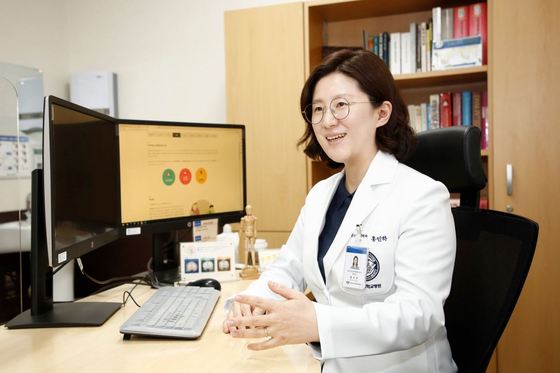
On Tuesday, Gangdong Kyunghee University Hospital announced the findings of a research team led by Professor Hong Min-ha from the Department of Psychiatry. The team analyzed health insurance claims data for 1,618 North Korean defector children and adolescents and approximately 308,000 South Korean children and adolescents over a period of up to 15 years, thereby confirming this trend.
The study revealed significantly higher rates of PTSD, ADHD, major depressive disorder (MDD), bipolar disorder, and anxiety disorders among North Korean defector children and adolescents compared to their South Korean peers.
The research utilized national cohort data from the National Health Insurance Service (NHIS), focusing on North Korean defector children and adolescents between 2007 and 2010. These individuals were matched with South Korean children and adolescents at a 1:10 ratio based on gender and age and were tracked for up to 15 years. This approach enabled the team to analyze mental health trajectories from adolescence into early adulthood and to statistically compare the differences between the two groups.
In a previous study published in 2022, the research team reported that North Korean adult defectors face a 2.1 times higher risk of mental disorders compared to South Korean adults. This current study is groundbreaking as it represents the first long-term follow-up research in South Korea to empirically demonstrate the impact of environmental factors on the mental health of children and adolescents from similar linguistic and ethnic backgrounds.
Notably, the elevated risk of developing mental disorders persisted not only during the initial two years of resettlement in South Korea but remained evident even after 15 years.
Professor Hong explained that while North Korean defector children and adolescents share the same language and culture as their South Korean counterparts, their upbringing in vastly different social and political environments inevitably results in accumulated mental health vulnerabilities. She further noted that this study quantitatively verifies the influence of environmental factors on the onset of mental disorders and can serve as a crucial resource for developing medical and educational policies for refugee children and adolescents in the future.
The research findings were published in the May issue of Journal of the American Medical Association (JAMA) Network Open, an international journal of the American Medical Association .


