

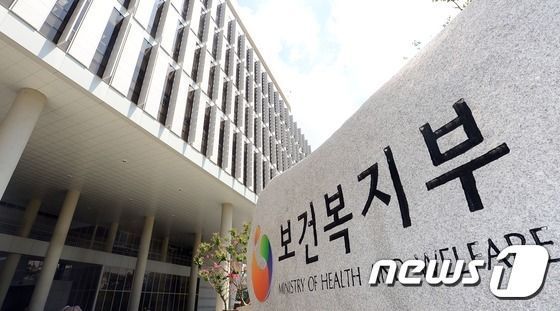
The Ministry of Health and Welfare announced on Tuesday its commitment to steadily increase investments in domestic advanced regenerative medicine research and development (R&D) and bolster research infrastructure.
The ministry convened a meeting with researchers involved in the national R&D project for advanced regenerative medicine at the President Hotel in downtown Seoul. During this gathering, they discussed various improvement measures, including the aforementioned commitment.
The ministry is conducting a series of roundtable discussions to incorporate grassroots policy needs into the formulation of the second basic plan for advanced regenerative medicine and cutting-edge biopharmaceuticals. This meeting marked the third in the series.
According to the ministry, despite the promising initial technology level of advanced regenerative medicine in South Korea, there currently exists a technology gap of up to 2 years and 6 months compared to leading nations in the field.
Moreover, while investigator-initiated trials (IIT) account for 62% of all clinical research globally, in South Korea, IITs comprise only 28%, falling short of sponsor-initiated trials (SIT). This suggests that research aimed at obtaining regulatory approvals is more prevalent than purely scientific inquiries.
Jeong Kyung-sil, director of the Health Policy Bureau, stated that this meeting provided a valuable opportunity to hear directly from those on the front lines of research. Adding that they are committed to continuously expanding R&D investments and enhancing research infrastructure. Its goal is to ensure that domestic advanced regenerative medicine can broaden patient treatment options through technological innovation while simultaneously strengthening the global competitive edge in this crucial field.