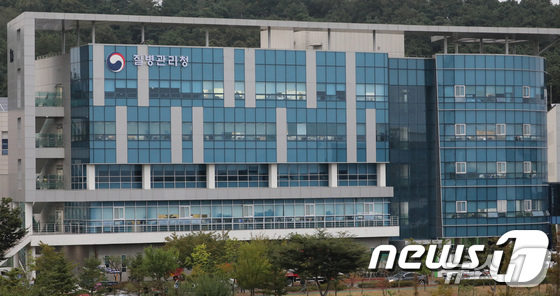
The Korea Disease Control and Prevention Agency’s National Institute of Health announced on Wednesday that it will launch a multi-center clinical trial, DOMINO, to evaluate the effectiveness of treatments for pediatric Mycoplasma pneumonia infections.
The DOMINO trial aims to establish clinical evidence for treating patients who don’t respond to conventional therapies, following a significant rise in macrolide-resistant Mycoplasma pneumonia cases nationwide.
Mycoplasma pneumonia, a major cause of childhood pneumonia in Korea, typically resurfaces every 3 to 4 years and has seen a notable resurgence post-COVID-19. In response, health authorities have updated treatment guidelines and expanded insurance coverage, now allowing doxycycline as a second-line treatment for children under 12.
However, prospective clinical evidence for the initial use of macrolides and doxycycline remains scarce. To address this gap, a network of 14 leading Korean university hospitals, spearheaded by pediatric infectious disease experts, will conduct a forward-looking clinical trial to inform first-line treatment choices amid rising macrolide resistance.
The trial will involve children aged 3 to 17 diagnosed with macrolide-resistant Mycoplasma pneumonia. Participants will be randomly assigned to receive either doxycycline (experimental group) or macrolide antibiotics (control group), with the primary goal of assessing clinical outcomes, such as time to fever reduction.
The Ministry of Food and Drug Safety greenlit the trial on Friday. A preparatory meeting and workshop for participating researchers took place the day before at Korea University Medical Center’s Anam Campus.
The National Institute of Infectious Diseases will oversee the entire process, fostering collaboration among researchers to ensure smooth trial execution. Upon completion in 2028, the findings will serve as a crucial clinical resource for the treatment of Mycoplasma pneumonia infections.
Dr. Im Seung Kwan, the agency’s director, said that the alarmingly high rates of macrolide resistance in pediatric cases of Mycoplasma pneumonia in Korea underscore the importance of the clinical trial. He noted that the study is essential for establishing evidence-based treatment guidelines and said the agency is committed to supporting the DOMINO trial to generate scientific data that could help curb antibiotic resistance and improve patient outcomes.