The government has recently been driving efforts to ease regulations on advanced regenerative medicine. The aim is to provide new treatment options for patients with severe illnesses and cancer who have exhausted all existing therapies.
However, industry experts caution that patients still face significant obstacles before they can reap the benefits of these advancements. They argue that even the most promising technology is meaningless if it can’t effectively reach patients. Consequently, they’re calling for urgent discussions on patient safety and accountability frameworks.
According to industry reports released on Friday, advanced regenerative medicine is being hailed as an innovative treatment that could offer hope to patients with incurable diseases. Stem cell and gene therapies, in particular, are expected to provide groundbreaking solutions for diseases that have long stumped traditional treatments.
While South Korea’s biotech industry boasts world-class researchers and cutting-edge technology, indicating vast potential, it faces real-world challenges. These include prohibitively high treatment costs, complex approval processes, and a lack of social consensus on ethical issues.
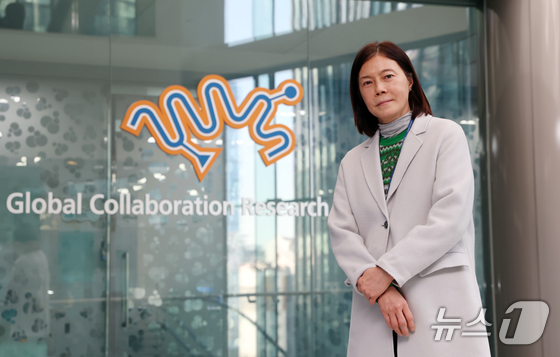
In a recent interview with News1 at the CHA Bio Complex in Seongnam, Nam Soo-yeon, CHA Biotech’s Research and Development (R&D) chief, emphasized that the most advanced technology is worthless if it can’t reach patients. It urgently needs institutional support to keep pace with the rapid research and development.

Support Needed to Gather Data From At Least 20 Patients
The government’s clinical research support program for advanced regenerative medicine offers funding for up to two years (21 months), with annual caps of 1 billion KRW (about 681,000 USD) for high-risk studies, 500 million KRW (about 340,490 USD) for medium-risk, and 300 million KRW (204,300 USD) for low-risk studies. However, even with approval, biotech firms can only conduct small-scale safety studies on about six patients within these budget constraints. This limitation makes it challenging to collect enough data to properly assess the effectiveness of advanced regenerative treatments.
Nam stressed the importance of gathering data from at least 20 patients to scientifically and reliably demonstrate the safety and efficacy of new treatments. She proposed an adaptive clinical trial approach, dividing research into two phases.
Once it gets the green light for advanced regenerative medicine clinical research, Nam suggested and that it should start with 10 patients in the first phase, analyze the data, and then recruit 10 more patients if further research is needed.
She also emphasized the need for stricter evaluation criteria to select researchers and institutions with high commercialization potential and proven research capabilities.
Nam argued that adaptive clinical trials would allow for more efficient use of government funds on research that shows promise in safety and efficacy. She added that moreover if it successfully collect data from over 20 patients, it can expand treatment access through advanced regenerative therapies and open discussions for next-phase clinical trial funding, global partnerships, or technology transfers.
Expanding Treatment Scope From Rare and Intractable Diseases to Anti-Aging and Cosmetic Applications
Despite the government’s efforts to ease regulations and keep patients from seeking stem cell treatments abroad, experts say it’s not enough to redirect the demand back to Korea. For instance, osteoarthritis patients might not qualify as difficult-to-treat based on their treatment adherence or disease severity, leaving them without domestic options. In contrast, Japan allows stem cell treatments not yet formally approved as drugs, provided they pass a review by a government-recognized private committee.
Nam views positively the government’s initiative to conduct multi-center clinical studies on autologous stem cell and immune cell cultivation treatments for conditions like degenerative arthritis and chronic pain – areas with high demand for overseas treatments.
However, she advocates for a two-track strategy. For treatments using autologous cells, which have proven safe over time and don’t typically cause immune rejection, Nam suggests lowering regulatory barriers to improve patient access, similar to Japan’s approach.
Autologous stem cell treatments, which use a patient’s own cells, require significant resources for personalized cultivation. Allogeneic stem cell treatments face similar challenges. Even with potential for mass production, ensuring safety through rigorous donor compatibility testing, immune rejection control, and viral contamination prevention incurs astronomical costs.
While the government has revised guidelines to reduce non-clinical trial data requirements for medium and low-risk studies, researchers still must conduct various toxicity and quality tests. The high costs of preparing this non-clinical data ultimately translate to a financial burden for patients seeking treatment.

Nam points out that for treatments using human cells, evaluating efficacy and toxicity in animal studies can be challenging and often yields ambiguous results. She argues for improving the criteria for non-clinical data requirements in these cases.
Nam concluded that despite regulatory easing, there are still limitations in leveraging clinical research results for global technology transfers or partnerships. It needs to further relax criteria for clinical and treatment targets, including anti-aging and cosmetic applications, to enhance patient access. This should be done while ensuring that commercialization efforts align with securing technological competitiveness.