


A recent study has uncovered a concerning trend: male breast cancer, which accounts for less than 1% of all breast cancer cases, has more than doubled over the past 16 years. However, survival rates have not improved significantly. This research highlights stark differences in survival patterns and treatment accessibility between male and female breast cancer patients.
A team of breast surgeons led by Professor Cha Chi Hwan at Hanyang University Hospital has published two comprehensive research papers in the international journal The Breast. These studies utilize nationwide large-scale data to analyze long-term survival outcomes, incidence trends, and treatment disparities in male breast cancer.
While male breast cancer is typically diagnosed in older individuals and is known for its poor prognosis, there has been a notable lack of systematic research in Korea analyzing survival outcomes and treatment characteristics based on long-term follow-up data.
To address this research gap, Professor Cha’s team compared long-term survival rates of male breast cancer patients registered in the Korean Breast Cancer Society’s Breast Cancer Registration Project (KBCR) from 1981 to 2014 with those of female patients, using propensity score matching.
The findings revealed no significant difference in 10-year breast cancer-specific survival rates between men and women. This suggests that the biological prognosis of male breast cancer may not fundamentally differ from that of female breast cancer.
However, the overall survival rate was significantly lower in male patients. This discrepancy was attributed to a higher incidence of non-cancer-related deaths and secondary cancers, rather than the cancer itself. Notably, while treatment outcomes have markedly improved for women in recent decades, a clear improvement in survival rates for men has not been observed.
In a parallel study, Professor Cha’s team analyzed data from the National Health Insurance Service spanning from 2007 to 2023. They compared incidence trends and treatment disparities among 1,400 male breast cancer patients within a larger cohort of over 360,000 breast cancer patients.
The research revealed that the age-standardized incidence rate of male breast cancer in Korea has more than doubled over approximately 16 years. While the absolute number of patients remains relatively low, this trend suggests that male breast cancer can no longer be dismissed as merely a rare disease, especially considering the aging population.
The study found that men are typically diagnosed at a higher average age than women and tend to have more comorbidities. Additionally, the proportion of male patients receiving major adjuvant therapy is lower. Prognostic analysis showed that male patients faced significantly higher risks of recurrence and overall mortality compared to female patients. These disparities persisted even after adjusting for age, comorbidities, and treatment status.
Collectively, these studies demonstrate that male breast cancer patients face unique clinical and social challenges distinct from those encountered by female patients. A critical issue highlighted is that despite the very high rate of hormone receptor positivity in male breast cancer, the actual duration of endocrine therapy tends to be shorter, with a higher likelihood of treatment interruption due to side effects.
Professor Cha emphasized that historically, due to the rarity of male breast cancer, treatment strategies developed for female breast cancer had been applied, but that this approach overlooked many unresolved issues, particularly in long-term survival outcomes. He added that the research scientifically demonstrated that male breast cancer could no longer be treated as a subsidiary disease of female breast cancer.
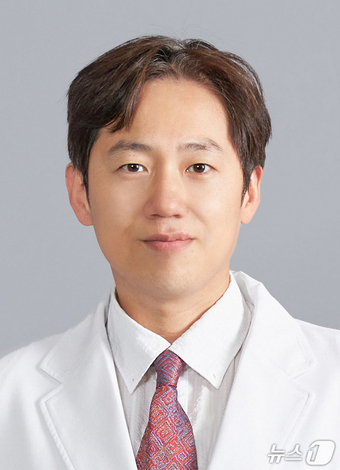
He concluded that moving forward, it was crucial to conduct multicenter clinical studies specifically focused on male breast cancer, analyze its unique biological characteristics, and develop personalized treatment strategies that male patients could tolerate effectively. He added that the research was expected to serve as a foundation for improving clinical guidelines and shaping health policies tailored to male breast cancer patients.