Since 2018, pneumonia has become the third leading cause of death in South Korea, with mortality rates alarmingly close to those of cardiovascular disease, the second leading cause.
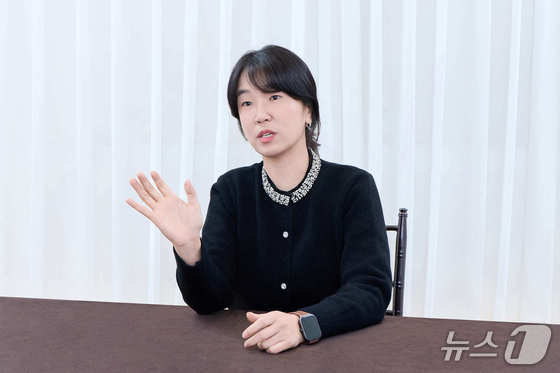
In a recent interview with News1, Dr. Park Eun-joo, Professor of Family Medicine at Busan National University Yangsan Hospital, emphasized the critical importance of prevention, particularly for high-risk groups susceptible to bacterial pneumonia as a secondary infection following influenza. The domestic pneumonia mortality rate has been ranked third since 2018, with the number of deaths showing only a slight difference from cardiovascular disease, which ranks second in mortality rates. Dr. Park emphasized this, stating that bacterial pneumonia as a secondary infection following influenza can be very fatal for high-risk groups, making prevention more important than anything else.
Dr. Park explained that the risk of bacterial pneumonia significantly increases when the body’s immune system is severely compromised after an influenza infection. The virus damages the respiratory epithelium, creating an entry point for bacteria. Elderly individuals and those with chronic conditions face slower recovery rates and substantially higher in-hospital mortality rates compared to the general population.
Dr. Park noted that antiviral medications such as peramivir or oseltamivir can effectively manage early-stage influenza infections. However, if the condition progresses to bacterial pneumonia, additional antibiotic treatment becomes crucial. In such cases, hospitalization is typically recommended for high-risk patients diagnosed with bacterial pneumonia.
Dr. Park stated that the most alarming issue is the high in-hospital mortality rate. It frequently encounters cases where patients fail to recover and succumb to the illness. The likelihood of such deterioration is significantly higher for these vulnerable patients compared to the general population.
Protein-Conjugate Vaccines Offer Superior Long-Term Efficacy Compared to Polysaccharide Vaccines
The 20-valent protein-conjugate vaccine (PCV20) recently introduced in South Korea has expanded protection from 13 to 20 serotypes. The term valent indicates the number of pneumococcal serotypes a vaccine can defend against. Broader coverage, especially of potentially fatal serotypes, enhances prevention effectiveness.
Dr. Park emphasized the need to increase adult vaccination rates with protein-conjugate vaccines and expand the range of protection. “She explained that while it’s impossible to cover all 100-plus serotypes, it’s crucial to prioritize prevention against serotypes that are particularly deadly or resistant to antibiotics.
She highlighted that among the newly added serotypes in the 20-valent vaccine, such as 1 and 23F, there are high rates of mortality, intensive care unit (ICU) admissions, in-hospital deaths, and antibiotic resistance. PCV20’s strength lies in its inclusion of critical serotypes previously uncovered, based on domestic epidemiological data, Dr. Park noted.
The 23-valent polysaccharide vaccine (PPSV23), provided under the national essential vaccination program, offers broad coverage and some benefits against pneumonia-related complications and moderate cases, while being cost-effective. However, its immune effect is less durable, and its preventive efficacy against pneumonia itself is limited.
PCV stimulates active antibody formation through immune memory, ensuring long-term effectiveness, Dr. Park explained. It can expect a boosting effect with new vaccinations, making it a cornerstone in pneumonia prevention.
She advised that high-risk groups, including those 65 and older, individuals with chronic diseases, and immunocompromised patients, should prioritize the pneumococcal vaccine. They should also complete the four respiratory vaccines, which include flu, COVID-19, and respiratory syncytial virus (RSV) vaccines. She concluded that a healthy old age is the reward for those who prepare.