

As the aging population grows, the number of patients with neurogenic bladder is also on the rise, coinciding with an increase in neurological disorders such as Parkinson’s disease, stroke, and dementia. Estimates suggest that approximately 1.5 million people in South Korea are affected by this condition, with the highest prevalence among those aged 70 and older.
Dr. Bae Woong-jin, a urologist at LSeoul St. Mary’s Hospital, explains that neurogenic bladder refers to a condition where the ability to store and expel urine is impaired due to abnormalities in the brain, spinal cord, or peripheral nervous system.
In the past, many people dismissed this issue as a natural part of aging. However, there is now growing awareness of the need for early treatment to prevent kidney damage and urinary tract infections.
Common causes of neurogenic bladder include traumatic brain injury, stroke, dementia, Parkinson’s disease, and multiple system atrophy, as well as spinal cord injuries, multiple sclerosis, acute transverse myelitis, and spinal meningoceles.
Surgical procedures that may damage pelvic nerves, such as perineal surgery or hysterectomy, as well as peripheral nerve damage from infections like shingles, can also lead to this condition. Related disorders include diabetic cystopathy, herniated discs, spinal stenosis, Behçet’s disease, and systemic lupus erythematosus.
Inadequate urine storage and expulsion can significantly lower quality of life and pose serious health risks. Over-distension of the bladder can reduce blood flow to the bladder wall and damage nerves, leading to decreased elasticity of the bladder muscles.
If urine backs up through the ureters into the kidneys, it can cause kidney inflammation and permanent kidney damage. Residual urine can promote bacterial growth, leading to cystitis, bladder stones, or incontinence.
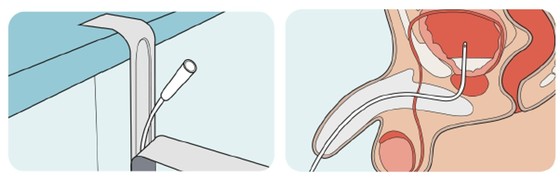
Treatment options generally fall into three categories: clean intermittent catheterization, medication, and indwelling catheters. Clean intermittent catheterization is the standard treatment. This method involves inserting a tube through the urethra to completely empty the bladder before removal. Recent single-use catheters have a lower risk of complications such as urinary tract infections, urethral injury, and bladder stones compared to reusable catheters or indwelling catheters.
Medication may also be used to target the bladder muscles. If the effects are insufficient or side effects occur, Botox injections may be considered. The effects of the injections typically appear within 7 to 14 days and last for about six months, though individual responses may vary.
Indwelling catheterization can involve maintaining a urinary tube through the urethra or inserting it through the abdomen above the pubic bone. Silicone materials are preferred, and these catheters should be replaced every 2 to 4 weeks. However, long-term use increases the risk of urinary tract infections, urethral injury, and kidney complications, so it should be used only when other alternatives are unavailable.
Dr. Bae emphasized the importance of seeking help rather than suffering in silence. He advised patients to undergo urodynamic tests to accurately assess bladder function and determine the appropriate treatment method.
In daily life, it is crucial to develop a habit of timed voiding, ensuring that the bladder does not become overly full. Instead of excessively restricting fluids, individuals should consume a regular, appropriate amount and reduce intake of bladder-irritating beverages such as caffeine and alcohol.
Dr. Bae concluded that regular visits to a urologist can help monitor bladder function, prevent complications, and significantly reduce discomfort in daily life. Additionally, consulting with a mental health professional may also be beneficial if needed.