Celltrion is strengthening its market presence in the Oceania region as its cancer treatments and autoimmune disease products continue to gain market share in Australia and New Zealand.
Local subsidiaries’ tailored sales and marketing strategies prove effective
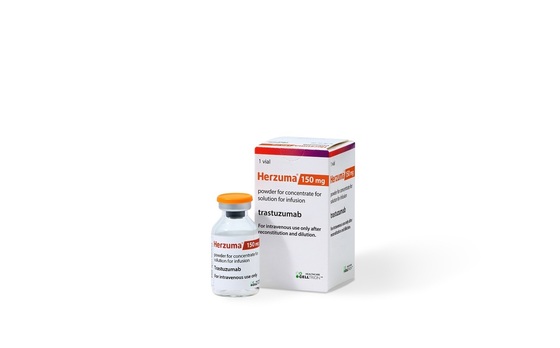
According to IQVIA, a pharmaceutical market research firm, Celltrion’s breast and gastric cancer biosimilar Herzuma (trastuzumab) captured an impressive 56% market share in Australia as of the third quarter last year, dominating prescriptions.
In the Australian market, where six trastuzumab products, including the original, are in fierce competition, Herzuma has outperformed all others combined, drawing significant attention.
Celltrion’s autoimmune disease portfolio is also showing strong performance. Its flagship products, Remsima (infliximab) and Remsima subcutaneous injection (SC), have secured a combined 58% market share in Australia, outpacing competitors.
Remsima SC, launched in Australia in 2021, has seen its market share skyrocket from 5% in 2022 to 29% by the third quarter of last year, boasting an average annual growth rate of about 80%. The newly introduced high-revenue product Steqeyma (ustekinumab) has also shown rapid uptake, capturing a 12% market share in just one quarter.
These achievements are attributed to Celltrion’s local subsidiaries implementing strategies tailored to the Australian pharmaceutical market.
Celltrion’s Australian arm has boosted product awareness and prescription preferences through active engagement in local conferences, physician seminars, promotion of new clinical data, and strengthening key stakeholder networks. Stable supply chains, established through ongoing collaboration with major hospitals and pharmacy staff, have also driven prescription growth.
Australia’s pro-biosimilar policies have further bolstered Celltrion’s prescription rates. When physicians first prescribe certain original medications, they must request separate approval from the Pharmaceutical Benefits Scheme (PBS), causing delays.
In contrast, biosimilars benefit from a streamlined prescription code, enabling a faster, simpler approval process. This regulatory difference enhances prescribing convenience for healthcare providers, fostering a favorable environment for biosimilar adoption.
Celltrion’s Australian subsidiary actively promotes these prescribing advantages to local healthcare professionals. It also offers welcome kits, product information, and injection training programs to enhance treatment convenience for both medical staff and patients.
This differentiated service approach has bolstered brand trust, driving early market penetration and expanded prescriptions for Celltrion’s products.

Oncology Portfolio Gains Traction in New Zealand
Celltrion’s cancer drug portfolio is also making significant strides in neighboring New Zealand.
Herzuma has effectively cornered the trastuzumab market in New Zealand with nearly 100% market share. Vegzelma (bevacizumab) maintains a strong competitive edge with an 81% market share.
This success is largely attributed to Celltrion’s New Zealand subsidiary maintaining effective communication with Pharmac, the government’s drug-buying agency, resulting in consistent bid wins and market share expansion.
Celltrion plans to leverage its existing autoimmune disease portfolio, including Remsima SC and Steqeyma, by sequentially launching high-revenue new products such as Stoboclo-Osenbelt (denosumab) to enhance marketing synergy.
The company aims to expand its sales activities targeting healthcare providers and institutions, capitalizing on its increasingly diverse product portfolio. The strategy is to leverage the brand trust of existing products to successfully establish new offerings in the market.
Kim Ji-tae, Celltrion’s head for South Asia, stated that Celltrion is strengthening its position in the Oceania market as all its major products show stable prescription growth in Australia and New Zealand.
He added that it is committed to improving patient access to healthcare and achieving sustainable growth. This will be accomplished through enhanced marketing capabilities, based on sales strategies tailored to local pharmaceutical market characteristics and regulatory environments, as well as an expanded product portfolio.