

Patients with chronic, intractable blood disorders may experience kidney function decline due to complications, potentially progressing to end-stage renal failure requiring a kidney transplant. A recent study suggests that when severe aplastic anemia and end-stage renal failure coexist, performing a kidney transplant first can lead to improvements in both conditions.
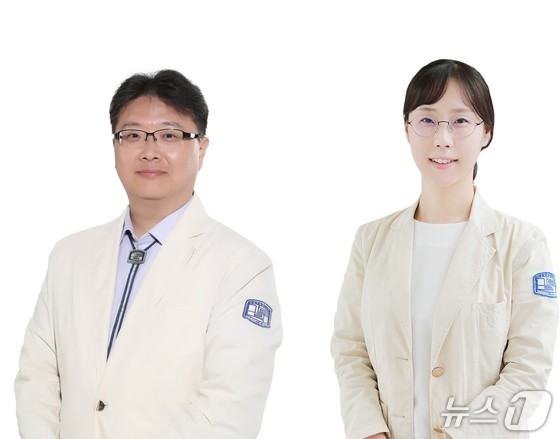
On Monday, the transplant team at Seoul St. Mary’s Hospital, including nephrologist Dr. Jeong Byeong-ha, vascular surgeon Dr. Park Soon-cheol, and hematologist Dr. Park Silvia, reported their clinical experience treating four patients diagnosed with both severe aplastic anemia and end-stage renal failure. Their analysis revealed stable kidney function and significant hematological improvement in all patients. Severe aplastic anemia, characterized by reduced bone marrow function leading to decreased blood cell counts, is typically treated with hematopoietic stem cell transplantation. Kidney transplantation is considered the gold standard for end-stage renal failure, offering the best outcomes in terms of survival and quality of life.
However, when both conditions occur simultaneously, there are no clear guidelines for determining the treatment order. Performing hematopoietic stem cell transplantation during dialysis can increase infection risks and complicate medication management, while kidney transplantation in patients with severe thrombocytopenia may heighten bleeding and rejection risks.
Faced with this clinical dilemma, the hospital’s transplant teams adopted a strategy of performing kidney transplantation first, followed by hematopoietic stem cell transplantation if necessary. Despite initial transfusion dependence due to pancytopenia, all patients showed stable clinical outcomes post-kidney transplant, including immediate graft function recovery, no acute rejection within the first year, and no major surgical complications.
Two patients underwent additional hematopoietic stem cell transplantation from the same donor about three months after their kidney transplant. These patients achieved immunological remission, completely discontinuing immunosuppressants after 7 and 17 months, respectively. This remission indicates the elimination of donor-specific immune aggression, allowing long-term graft survival without immunosuppression.
Remarkably, the other two patients experienced gradual improvement in anemia and thrombocytopenia without hematopoietic stem cell transplantation, becoming transfusion-independent and showing signs of improved bone marrow function. The medical team hypothesized that the removal of uremic toxins post-kidney transplant may have reduced systemic inflammation, while the immunosuppressants used might have positively impacted the aplastic anemia.
Dr. Jeong emphasized that this case showcases the team’s ability to successfully treat patients with both severe aplastic anemia and end-stage renal failure. The fact that some patients achieved hematological recovery through kidney transplantation alone is a significant clinical finding. Further systematic prospective studies are needed to establish criteria for identifying suitable candidates for this approach.
This clinical experience was recently published in the American Journal of Transplantation, the official journal of the American Society of Transplantation.
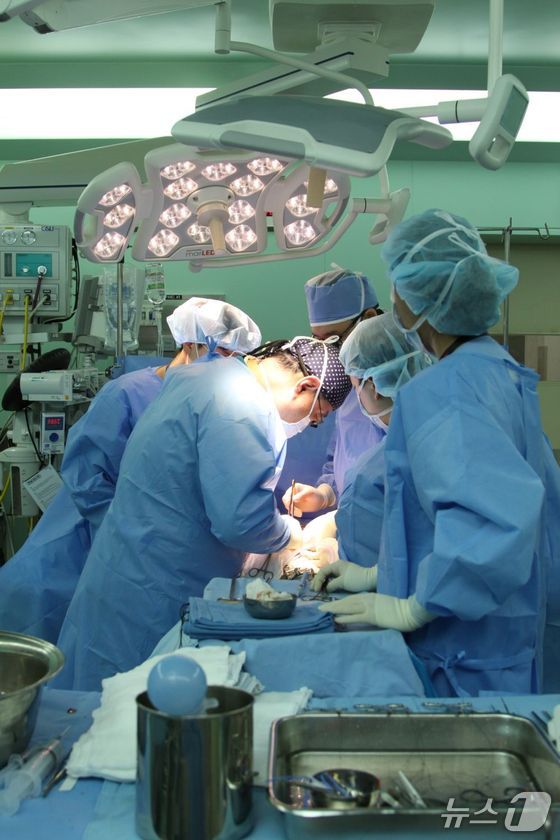
In related news, the kidney transplant team at Seoul St. Mary’s Hospital’s Organ Transplant Center recently reached a milestone of 500 ABO-incompatible kidney transplants. They continue to lead the field in South Korea by successfully performing various complex transplants, including ABO-incompatible procedures, desensitization protocols for highly sensitized patients, transplants for those with intractable blood disorders, and innovative approaches to induce immunological tolerance.
The Hematology Department at Seoul St. Mary’s Hospital has earned a reputation as a premier referral center for blood cancers and severe blood disorders, attracting patients from tertiary care centers both nationally and internationally. With the country’s largest team of specialized medical professionals, the hospital provides comprehensive care through seven disease-specific centers, solidifying its position at the forefront of hematological treatment and research.