

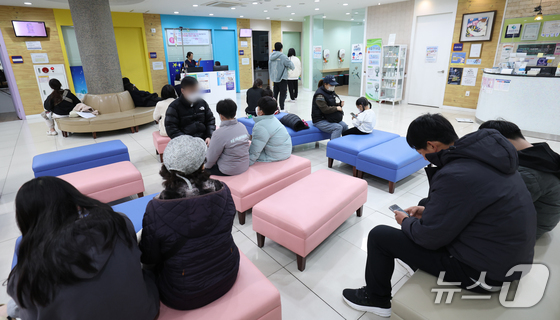
A new survey finds that financial barriers play a minimal role in keeping people away from medical care, with just 2% of respondents reporting they skipped treatment due to cost.
The survey, conducted among 14,922 individuals across 7,058 households from July 14 to Sept. 19 last year, found that 85.6% used outpatient services within the year, while 4.2% experienced hospitalization. About 13.6% did not visit any healthcare facility during the period.
Women reported higher outpatient usage than men — 88.8% compared to 82.4%.
Age was a strong predictor of healthcare use. Adults 60 and older led all groups at 94.4%, followed by those in their 50s at 88.5%, their 40s at 83.5%, and their 30s at 78.8%.
Education level also tracked with utilization, though in the opposite direction. Those with elementary-level education or less reported the highest usage rate at 93.6%, compared to 87.6% for secondary education and 82.6% for those with higher education. Researchers noted the pattern may partly reflect the older demographic profile of lower-education groups rather than education alone driving the difference.
Among occupational categories, stay-at-home parents posted the highest outpatient usage rate at 92.9%, followed by the self-employed and business owners at 89.4% and the unemployed at 89.2%. Wage workers reported the lowest rate at 83.6%.
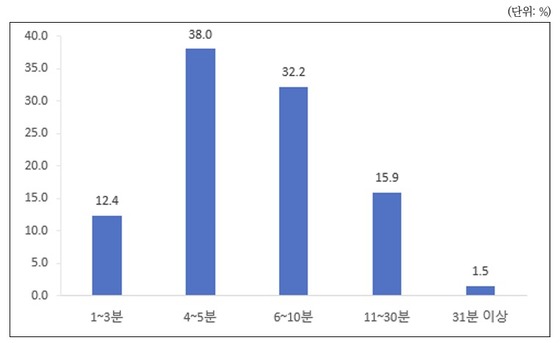
The average outpatient consultation lasted nine minutes, though that figure includes dental visits, which typically run longer. Most respondents — 70.2% — reported their actual time with a doctor fell between four and 10 minutes.
Patient satisfaction was broadly high. Among outpatient visitors, 93.7% said they felt comfortable during their appointments, and 90.4% expressed satisfaction with their treatment outcomes. Hospitalized patients reported even stronger results, with 95.1% satisfied overall and 89.7% saying they achieved the expected treatment results.
Financial barriers remained a marginal concern. Just 1.7% of respondents said they avoided a healthcare provider due to cost, 1.9% had gone without treatment they needed, and 2.2% had skipped necessary tests — all relatively rare occurrences across the survey population.