

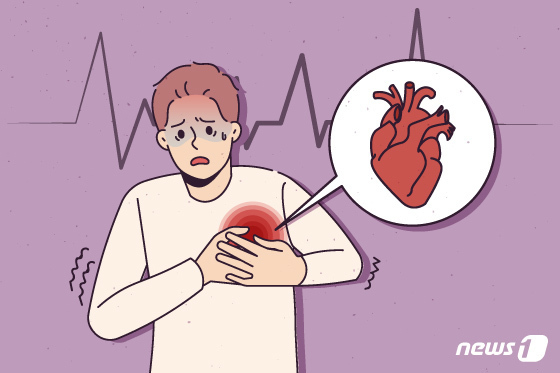
Researchers have identified key genes and cellular interactions linked to cardiomyopathy, a heart muscle condition that can lead to heart failure, arrhythmias, and sudden death.
Previous attempts to pinpoint genetic causes through whole-genome sequencing frequently produced variants with unclear clinical significance, limiting their usefulness.
To address this, the research team collected whole-genome data from 24 cardiomyopathy patients and analyzed it using a burden analysis technique, which evaluates the relationship between a disease and a gene by grouping multiple mutations within that gene into a single unit.
The method led to the identification of 144 key genes closely tied to heart formation and development from among 3,584 rare variants that had previously lacked clear functional significance.
The team also merged single-cell data from 11,664 samples drawn from both heart disease patients and healthy individuals to compare gene expression and cellular interactions.
The analysis found high gene expression not only in cardiomyocytes — traditionally considered the primary drivers of cardiomyopathy — but also in cardiac endothelial cells from patient samples.
The findings suggest the condition may stem from abnormal interactions among multiple cell types rather than a single cell type acting in isolation. Researchers believe the results could open a path toward personalized treatments for cardiomyopathy and heart failure patients. The study was published in Scientific Reports.