Korea Disease Control and Prevention Agency said Thursday it will provide infectious disease and heat illness prevention guidelines for South Korean athletes and travelers attending the 2026 FIFA World Cup.
The tournament will be held across 16 cities in the United States, Canada and Mexico. Health authorities said special caution is needed due to expected high temperatures, humid summer weather and large crowds.
The agency particularly warned about continued measles outbreaks centered in Mexico, as well as waterborne and foodborne infectious diseases and mosquito-borne illnesses such as dengue fever.
Mexico has reported a total of 34,176 measles cases this year, equivalent to 7.57 cases per 100,000 people, an increase from 4.94 cases per 100,000 in 2025, according to the agency. The United States had also reported 1,792 measles cases as of April this year.
South Korean health authorities said regional measles cluster infections and sporadic outbreaks continue to be reported, while hepatitis A remains endemic in Mexico, urging travelers to receive vaccinations before departure.
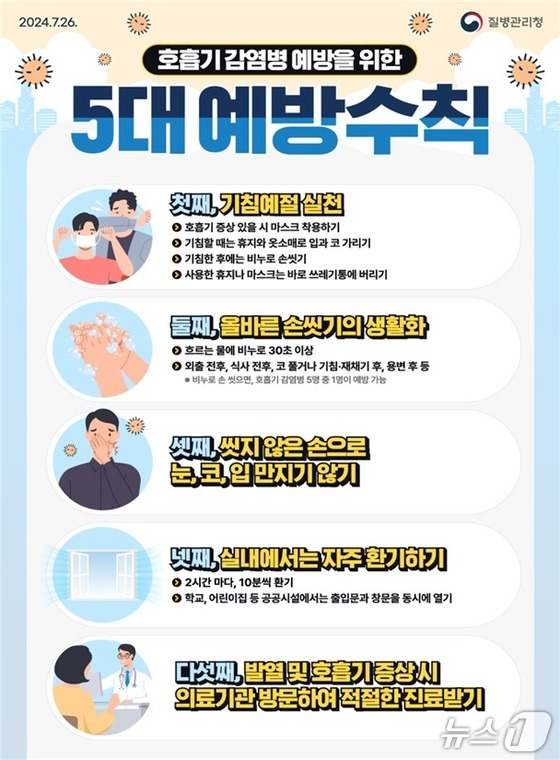
During their stay abroad, travelers were advised to strictly follow personal hygiene measures, including frequent handwashing and wearing masks if symptoms are suspected.
The agency also recommended eating fully cooked foods and drinking safe water such as bottled or boiled water.
To prevent mosquito-borne illnesses including dengue fever, Zika virus infection and malaria, travelers were advised to prepare mosquito repellents and light-colored long-sleeved clothing and pants in advance.
With many outdoor activities expected during the tournament, the agency also stressed precautions against heat-related illnesses. Travelers were advised to drink water frequently, block sunlight using hats or umbrellas, avoid outdoor activity during the hottest hours of the day and get adequate rest.
Upon returning to South Korea, travelers experiencing symptoms such as coughing, fever or skin rashes were instructed to report to quarantine officers through the Q-CODE quarantine information pre-entry system or health declaration forms.
If symptoms such as fever, rash, muscle pain, diarrhea, vomiting or coughing develop within several days after returning home, travelers should minimize contact with others and immediately visit a medical institution while informing healthcare providers about their recent travel history.
The agency added that infectious disease consultations are available through its 1339 hotline.
Separately, the KDCA also warned travelers visiting nearby countries such as Argentina and Chile about hantavirus cardiopulmonary syndrome following reports of cluster infections aboard cruise ships. Travelers were advised to avoid areas where exposure to rodents is possible and avoid contact with rodent carcasses, droppings or saliva.
Lim Seung-gwan said preventing infectious diseases and heat-related illness is particularly important given the nature of the World Cup, which involves large crowds and outdoor cheering events.
He urged athletes and South Korean travelers to strictly follow vaccination recommendations and personal hygiene guidelines and to stay hydrated and rest adequately during daytime hours.
South Korea has been placed in Group A for the tournament and is scheduled to face the Czech Republic, Mexico and South Africa.
Officials expect approximately 200 South Korean team personnel and more than 30,000 people including official cheering squads to travel for the event.