“Many patients end up undergoing surgery because they simply cannot afford the medication, even after it becomes available. It is deeply unfortunate that patients hesitate because of treatment costs despite knowing the drug could reduce the need for surgery. The government, pharmaceutical companies and medical professionals should all recognize that drug therapy can help younger patients maintain their daily lives and careers.”
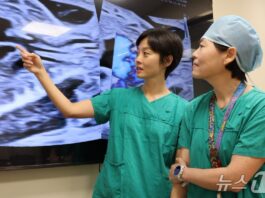
Professor Kim Chang-gon, a medical oncologist at Yonsei Cancer Center who treats many patients with Von Hippel-Lindau (VHL) syndrome, recently told News1 that none of his patients are taking Welireg (belzutifan). “The drug is not covered by the national health insurance system, and the monthly cost alone is about $15,100,” he said.
“Access is extremely limited,” Kim said. “The value of this drug, which can reduce unnecessary surgeries and help prevent disability, goes beyond a simple cost-effectiveness calculation. I hope both the government and pharmaceutical companies will not view it solely as a matter of financial negotiation. Wider use of the drug could also help extend patients’ lives.”
Von Hippel-Lindau syndrome is caused by mutations in the VHL tumor suppressor gene. The condition is named after physician Eugen von Hippel and pathologist Arvid Lindau, who first identified it. It can cause tumors in multiple organs throughout the body, leading to severe pain, while tumors in organs such as the kidneys and pancreas may develop into cancer.
Without drug treatment, patients have relied on repeated surgeries, risking blindness
Kim, who specializes in kidney cancer treatment and research, said the central challenge of the disease is that the genetic mutation never disappears.
“Tumors continue to develop throughout a patient’s life, and until now there has been no treatment other than monitoring them and removing them surgically,” he said.
Patients may develop kidney cancer as well as hemangioblastomas in the brain and retina. Repeated kidney surgeries can eventually leave patients dependent on dialysis, while surgery to remove brain hemangioblastomas may damage healthy tissue and cause paralysis. Tumors in the eye can ultimately result in blindness.

The disease affects about one in every 36,000 people, with fewer than 200 patients estimated to live in Korea. Yonsei Cancer Center treats many of them. However, Kim believes a significant number of patients remain undiagnosed and undergo repeated surgeries for tumors without recognizing the underlying genetic disorder.
“The disease may first be discovered during kidney cancer diagnosis or through genetic testing after a hemangioblastoma is identified,” he said. “Because it is hereditary, many patients have lost one parent at an early age. Some spend years undergoing repeated surgeries before finally receiving a diagnosis, leaving them feeling devastated.”
Once a patient is diagnosed, physicians determine whether the mutation was inherited from the mother’s or father’s side and recommend genetic testing for relatives. If the patient has children, testing is also advised.
“If the mutation is present, the likelihood of developing tumors during a person’s lifetime is very high,” Kim said. “Regular follow-up examinations are essential.”
Before drug therapy became available, surgery to remove tumors was the only treatment option. However, surgery cannot be repeated indefinitely. Frequent operations can lead to complications including dialysis, paralysis and blindness while severely affecting patients’ ability to maintain their daily lives and careers.
‘Medical value should not become a matter of financial negotiation’
Although the genetic mutation cannot be reversed, a treatment has been available for several years. Welireg, developed by MSD, was approved by the U.S. Food and Drug Administration in 2021 and by South Korea’s Ministry of Food and Drug Safety in 2023. Clinical studies have shown that the drug reduces tumor size and the frequency of surgeries for conditions including kidney cancer.
“A reduction in surgeries means preserving kidney function and lowering the risk of dialysis,” Kim said. “For younger patients, preserving organs is extremely important. We fully explain the treatment option to patients and maintain a registry of eligible patients. The reality, however, is that it is still not covered by the national health insurance system.”
None of the patients under Kim’s care currently take Welireg. Without insurance coverage, the drug costs about $15,100 per month. Some patients reportedly reduce their dosage because of the financial burden, although there is no established evidence supporting the safety or effectiveness of doing so.

“Most of these patients are young and actively working,” Kim said. “Learning they have a hereditary disease is psychologically devastating, and the knowledge that an effective treatment exists but remains financially out of reach adds to that despair. Many also live with anxiety that they could eventually develop disabilities or require dialysis.”
“The medical value of this treatment has already been demonstrated through research,” he added. “There may be many reasons why insurance coverage has not yet been granted, but I hope the medical significance of this drug will not be viewed solely through the lens of financial negotiation. The costs of developing the drug and the efforts of patients, physicians and researchers who participated in clinical trials deserve appropriate recognition.”
In closing, Kim encouraged patients and their families not to lose hope.
“This disease requires multidisciplinary care involving specialists from multiple fields. I strongly recommend that patients visit a hospital with expertise in treating VHL at least once. I believe insurance coverage will eventually be expanded to include this treatment, and I intend to contact my patients when that happens,” he said.